
Weeks after his re-election, Lula's government is pressing Brazil's House to vote on a bill that would let antitrust agency CADE designate Google, Meta, Apple and Amazon as 'systemically relevant' and dictate how they run their platforms. A vote could come as soon as Tuesday.
BRASILIA — The Lula regime has launched an offensive to push through Brazil’s House of Representatives a bill that would give the country’s antitrust agency, CADE, sweeping powers over the largest technology platforms, nearly all of them American, Folha de S.Paulo reported on Saturday, Nov. 14. The bill, PL 4,675/2025, was drafted at the Finance Ministry and already has urgency status, which sends it straight to the floor. Its rapporteur, Deputy Aliel Machado, plans to meet the Republicanos and PSD parties on Tuesday, Nov. 17, to put it on the agenda, and Folha reported that House Speaker Hugo Motta agrees with the text. “If it doesn’t pass now, it won’t pass later,” Machado told the paper earlier this month.
The urgency has a reason. Lula opened his victory speech on Oct. 25 with a promise about big tech: “We will have to regulate them.” On Nov. 8, in a national radio and television address, he went further and said “the so-called big techs tried to interfere in the Brazilian electoral process,” an accusation for which he offered no evidence. Two days later the presidential communications office hosted a breakfast at the Planalto Palace to rally business groups and civil society behind the bill. Machado has said openly that the rush is because the Senate elected in October will have a large pro-Bolsonaro majority in 2027.
The president says the platforms tried to steer his election. Three weeks later, his government asks Congress to let a federal agency rewrite how those same platforms work.
The bill creates a Digital Markets Superintendency inside CADE with the power to name “agents of systemic relevance,” companies with global revenue above R$50 billion or Brazilian revenue above R$5 billion and a strong market position. Once designated, a company would face obligations of transparency, data portability and interoperability, could be barred from favoring its own products in search or from tying services, and could be ordered to change its technology and its terms of use. Folha listed Google, Meta, Microsoft, Amazon and Uber among the likely targets, and Apple, which would have to allow alternative app stores and payment systems, is leading the resistance.
Why it matters
This is a fight over American companies, decided in Brasília. On June 1, the U.S. Trade Representative concluded a Section 301 investigation stating that “Brazilian courts have issued secret orders directing U.S. social media companies to take down certain political content,” and a 25% tariff on most Brazilian imports has been in force since July 22. Brazil already blocked X for 39 days in 2024, and in 2025 the Supreme Court widened platforms’ liability for what their users post. Folha reported that American diplomats lobbied against this bill before the election. A new regulator with power over the design of Google’s search page or Meta’s feed is the next layer, and it would sit inside a government that already went to court to get Meta fined R$7.5 million during the campaign.
Competition or control
The government and its supporters say the bill is about competition, not speech, and on paper they are right: the text does not regulate content. Banks’ federation Febraban, restaurant group Abrasel and researchers such as Nicolo Zingales of FGV back it. Industry group ALAI, whose members include Google, Meta and X, says it “creates a rigid regulatory structure, without any guarantee of proportionality” and estimates its cost at up to R$11.34 billion over ten years. Opposition deputies Nikolas Ferreira and Mário Frias call it censorship. “We know Lula’s intentions: to regulate social media,” Frias said. The concern is not the word “content.” It is that the agency that decides how a platform ranks, displays and distributes posts answers to a president who has already accused those platforms of electoral interference, in a country where a newsroom was silenced on Instagram before the runoff and where Congress is weighing a bill that could jail meme makers.
The record
What is documented: the bill’s text and urgency vote on March 18, 2026; Machado’s and Lula’s statements; the USTR determination and tariff; the X block in 2024. What is not: no vote date has been confirmed, and Folha’s report that Motta supports the text is not backed by a public statement from him. Lula’s charge that the platforms interfered in the election is an allegation without evidence, and the reported U.S. diplomatic pressure against the bill has not been documented in public records.
The timing is the argument. A government whose 2022 victory millions of Brazilians still dispute, and whose 2026 re-election 42% of voters told AtlasIntel they consider a fraud, wants this vote before the new Congress takes office. If it passes, the Lula regime will have a federal agency with power to order changes inside the American platforms where its critics speak, and it will have it before the Senate that voters just elected can say no.
The Watch Post Daily will continue to follow this story. Sources: Folha de S.Paulo (reports by Patrícia Campos Mello, Guilherme Pimenta and Raphael Di Cunto); Estadão Conteúdo; Office of the U.S. Trade Representative; Teletime; Chamber of Deputies.
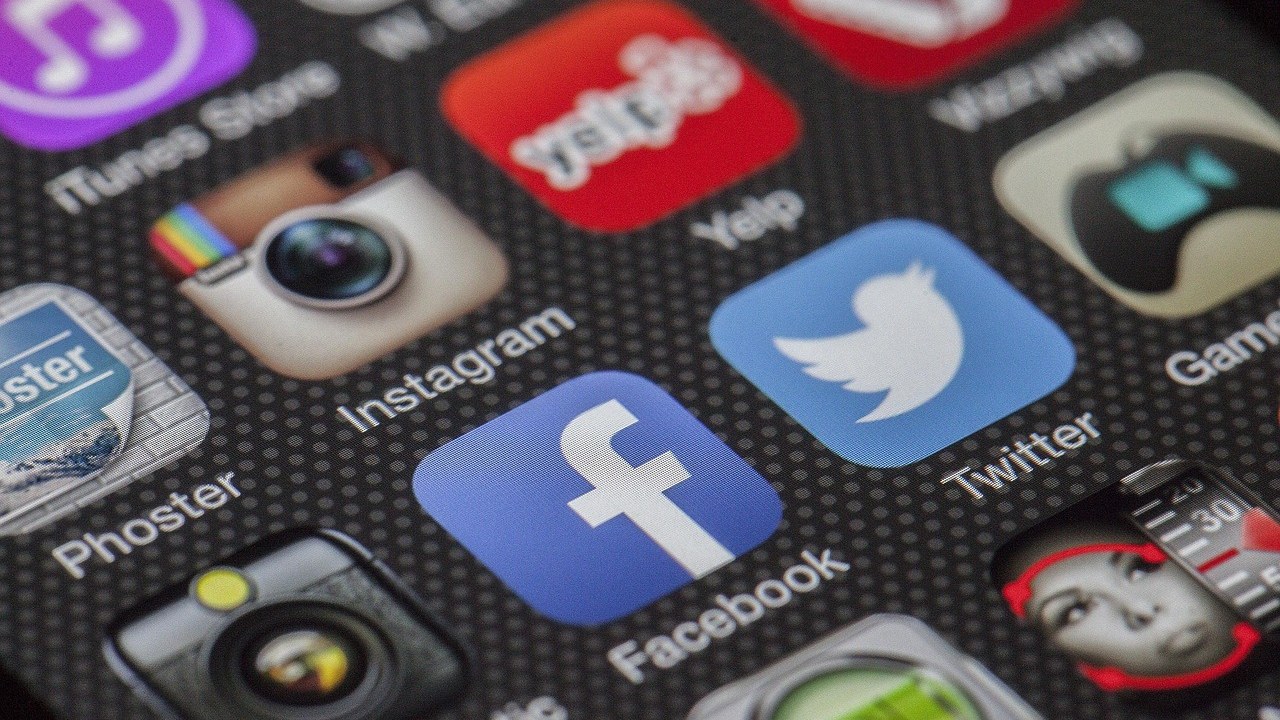
Featured image: social media apps on a smartphone, photo by LoboStudioHamburg on Pixabay, licensed for commercial use with no attribution required.

COMMENTS