
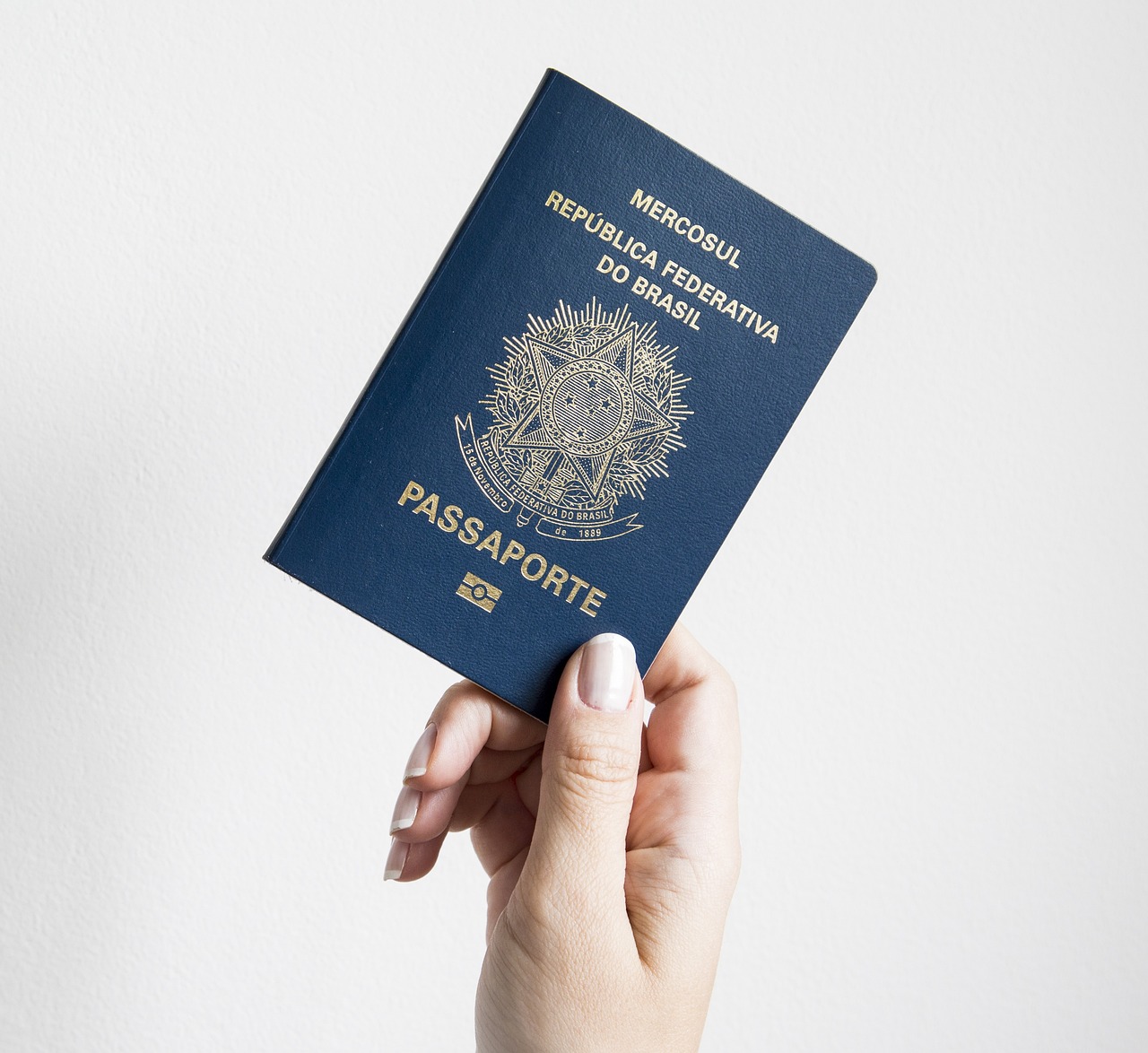

Germany's Die Welt flags the timing: minutes after Brazil's electoral court confirmed Senator Flavio Bolsonaro's defeat on October 25, the Federal Police asked for his passport and Justice Alexandre de Moraes granted it. Correspondent Tobias Kaufer calls it the latest sign of a captured court system.
BERLIN — The Federal Police request to seize the passport of Senator Flávio Bolsonaro, and the order signed by Supreme Court Justice Alexandre de Moraes granting it, landed within minutes of Brazil’s electoral court confirming his defeat in the Oct. 25 runoff, according to accounts published by NC News, Diário do Nordeste and Revista Oeste. Germany’s Die Welt cites that timeline as the latest data point in a pattern it says has reshaped Brazilian justice: a court system correspondent Tobias Käufer argues moves with unusual speed against President Luiz Inácio Lula da Silva’s political rivals while extending leniency to his allies.
Käufer’s editorial traces the pattern to the bench itself. Since 2003, he writes, the Workers’ Party has named 15 of the 18 justices currently sitting on the Supreme Federal Tribunal — a run of appointments he says has concentrated control over the court in the hands of a single political movement. He also flags a disparity in scrutiny: Bolsonaro drew international criticism for nominating an evangelical pastor to a judicial seat during his term, while Lula’s appointment of his own former personal lawyer, and later a sitting government minister, to the same court passed with comparatively little pushback abroad.
Why it matters
Brazil and the United States are the two largest democracies in the Western Hemisphere, and confidence in Brazil’s courts and elections shapes how Washington weighs the country as a partner on trade, migration and regional security. A judiciary perceived — rightly or not — as an extension of the ruling party is a standing concern for American policymakers and investors with exposure to Brazilian institutions.
The ballot-box question
The timing of the Flávio Bolsonaro case has sharpened a question The Watch Post Daily has raised since the disputed 2022 election: the same institutions Käufer describes as instrumentalized — the STF and the electoral tribunal that certifies results from Brazil’s electronic voting machines — are the ones Brazilians must trust to police themselves, with no full, independent audit of the voting system ever conducted. Critics of that arrangement point to Lula’s own words, “quem não deve, não teme” (“those who owe nothing have nothing to fear”), as less a reassurance than, in their reading, a directive to the courts — one they argue extends, by the same logic, to an electoral apparatus that answers to the same appointees.
The record
Confirmed: the timing of the Federal Police request and Moraes’s order relative to the runoff result, as reported by multiple Brazilian outlets; the 2003-to-present composition claim about the Supreme Federal Tribunal, which is Käufer’s tally rather than an official court publication; Lula’s appointment of his former lawyer and a sitting minister to the STF, both public record. Alleged: that the sequence of events reflects deliberate political coordination rather than ordinary judicial process — a reading Käufer and critics of the court advance as interpretation, not an adjudicated finding. The Watch Post Daily could not independently verify claims about the pace of similar cases against Lula allies beyond what Käufer’s editorial reports.
The Watch Post Daily will continue to follow this story. Reporting drawn from Tobias Käufer’s editorial in Die Welt (Oct. 2026) and Brazilian press accounts of the Flávio Bolsonaro passport case (NC News, Diário do Nordeste, Revista Oeste, Oct. 26-27, 2026).
Featured image: passport photo by sarahpassos on Pixabay, licensed for commercial use with no attribution required.

COMMENTS