

A new analysis in Brazil's O Antagonista argues Lula's fourth-term win cost the country roughly $180 billion in capital flight, according to ex-Central Bank chief Gustavo Franco, while his first-round support among governors-elect shrank sharply versus Flavio Bolsonaro's.
BRASILIA — Luiz Inacio Lula da Silva secured a fourth term as Brazil’s president, but a widely read analysis published October 31 by O Antagonista argues the ruling party leader emerges from the race weaker, not stronger. Columnist Rodolfo Borges writes that Lula “also lost” even in victory, pointing to a damaged economy and a shrinking circle of political allies as the price of staying in power.
The piece lands in a week when Brazil’s stock market posted its worst run since the pandemic, a selloff many analysts tie directly to investor doubt about a fourth Lula term. It also follows a pattern Brazilian commentators have tracked since Lula’s disputed 2022 return to office, when millions of Brazilians raised allegations of electronic ballot fraud that the ruling party has never fully answered in open, independently audited form.
Why it matters
Brazil remains one of the two largest democracies in the Western Hemisphere, and its market and political signals ripple into U.S. investment decisions, supply chains and migration patterns. When the editorial class in Brasilia itself questions whether a sitting president’s win was worth its cost, American readers with exposure to Brazilian markets, trade or family ties have reason to pay attention.
The cost of staying in power
Borges’s central evidence is economic. He cites Gustavo Franco, a former president of Brazil’s Central Bank, who estimated that roughly 1 trillion reais — close to $180 billion — left the country after the result and never came back. Franco’s figure, Borges writes, captures investor flight that outlasted the election itself.
The analysis also points to a political cost. Only seven governors-elect backed Lula in the first round of voting, against sixteen who backed Flavio Bolsonaro, a gap Borges reads as evidence that Lula’s coattails have shrunk even as he wins the top job. Borges is sharply critical of the campaign’s final stretch, writing that Lula’s side leaned on “lies and turmoil” to get over the line, and singling out a Supreme Court justice who once served as Lula’s personal lawyer for what he calls stepping into the confusion.
The record
The market numbers and the governors’ first-round endorsements are public, verifiable figures. Franco’s trillion-real estimate is his own calculation, not an official Central Bank release, and should be read as an economist’s informed assessment rather than a certified figure. Borges’s characterization of the campaign’s conduct — the “lies and turmoil” line, and the role he assigns to the Supreme Court justice — is his own editorial judgment, not a documented finding from an independent probe.
What the record does show is a president who won a fourth term and immediately inherited a market in retreat and a coalition thinner than his own victory suggests. For a ruling party that has spent three years fending off questions about how it first returned to power in 2022, a win this costly is unlikely to quiet the critics.
The Watch Post Daily will continue to follow this story.
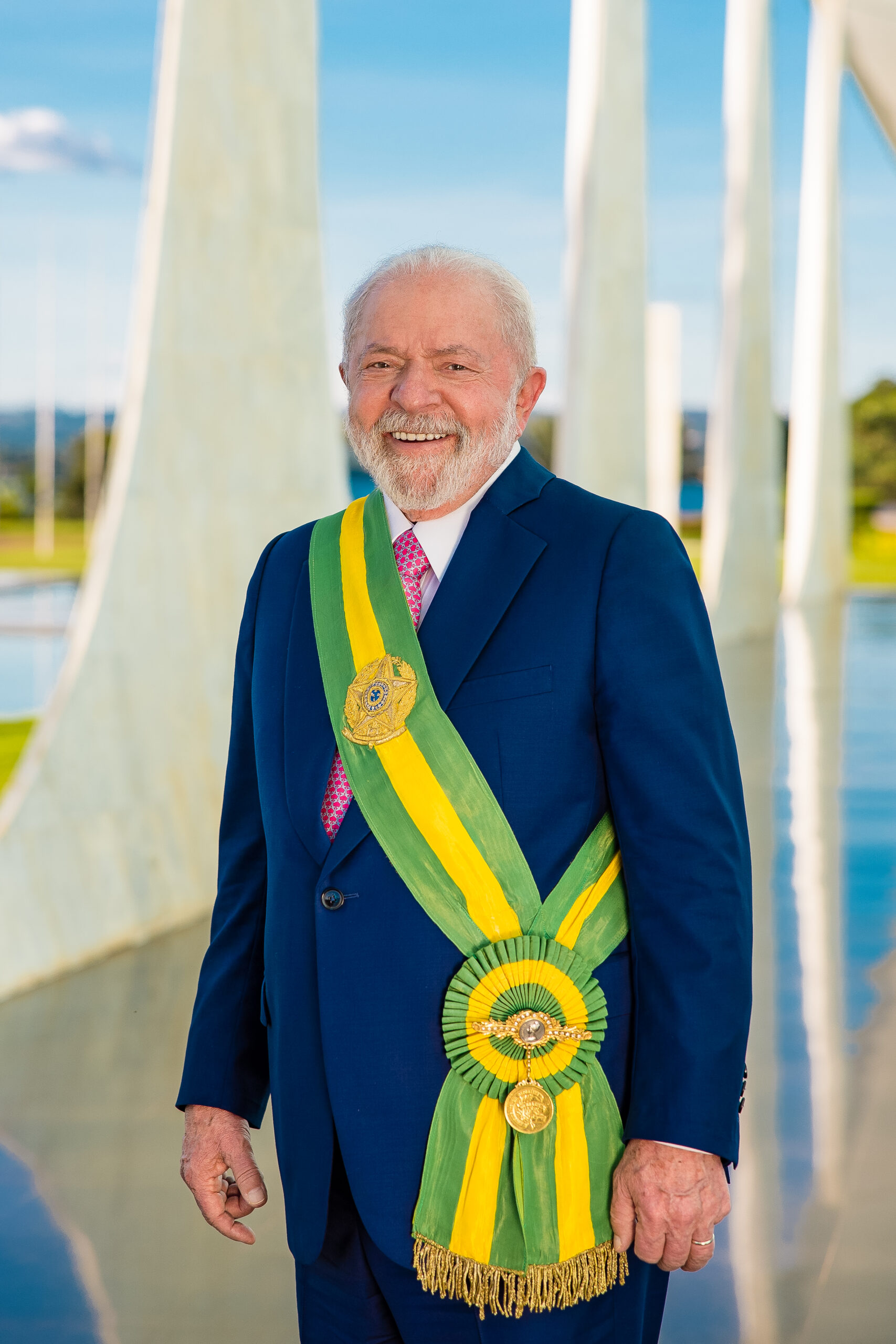
Featured image: Official portrait of Luiz Inacio Lula da Silva by Ricardo Stuckert/PR, via Wikimedia Commons, CC BY 2.0.

COMMENTS