
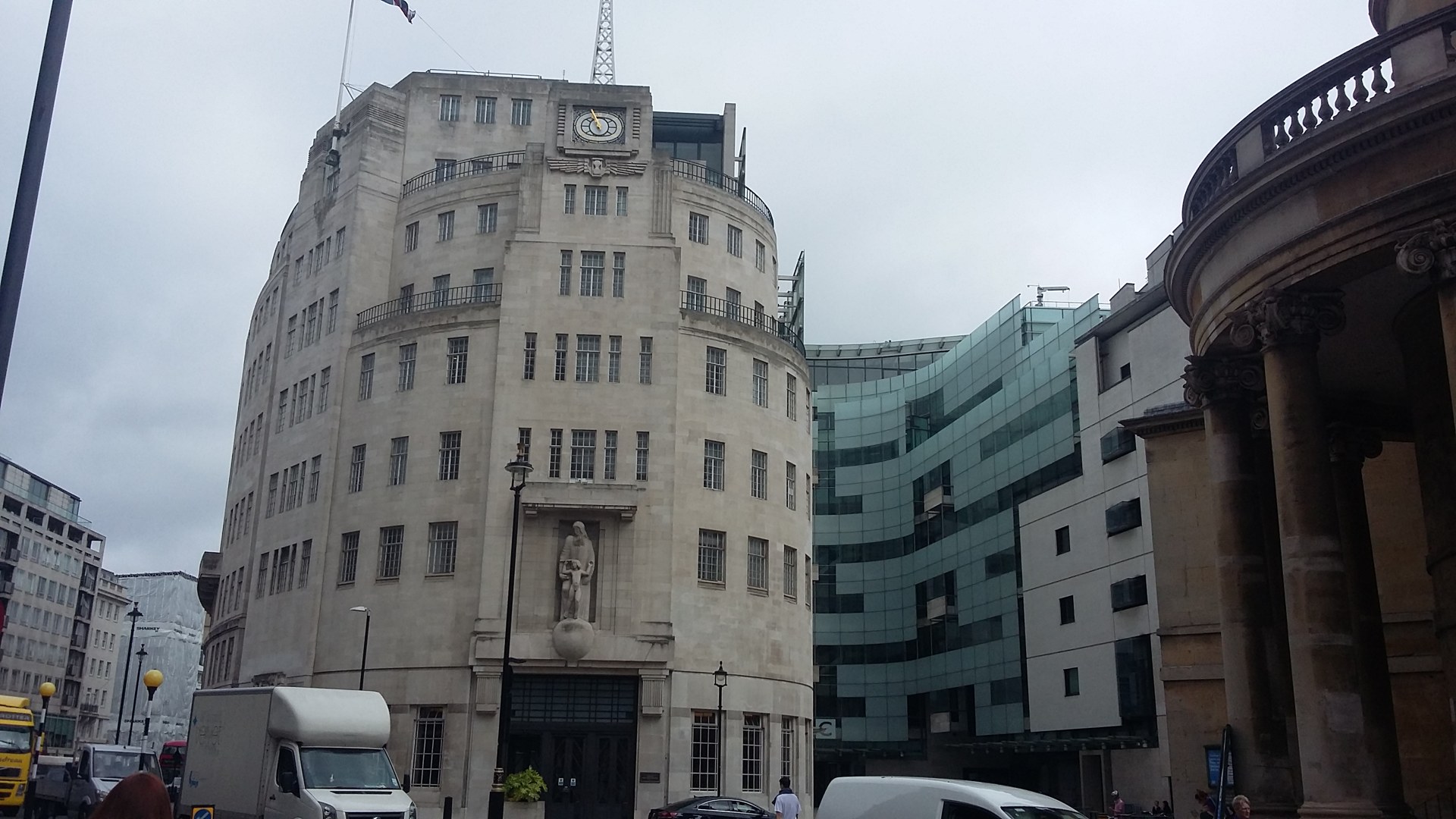

The BBC has a plan to keep about 100 staff broadcasting on FM for at least 72 hours from an emergency studio with its own fuel, water and food if a nationwide blackout or cyberattack takes down Britain's infrastructure, as London tells households to stock three days of supplies.
LONDON — The BBC has drawn up a plan to keep broadcasting to the British public if a nationwide power failure or a crippling cyberattack takes down the country’s infrastructure. According to a report published on Nov. 7 by BBC correspondent David Sillito, about 100 staff would run an emergency radio studio stocked with its own power, fuel, water and food, enough to stay on the air for at least 72 hours while phones and the internet go dark.
A government does not stock a radio studio with three days of diesel, water and food for a scenario it believes will never happen. London has now put a name, a staff list and a fuel budget on the day the lights go out across an entire country.
The scenario has a name inside British planning: “Black Sky,” a power outage so wide and so long that it takes water supply, fuel pumps, retail, cash machines and mobile networks down with it. In that event, the BBC would fall back on FM radio, the one technology that still works almost everywhere. Transmitter masts would switch to diesel generators, broadcasts would go out on the frequencies of Radio 2 and Radio 4, and listeners would be told to use car radios and battery receivers. Teams in the field would stay in touch by satellite phone, with pre-agreed meeting points if those fail too, and the studio would read government scripts already written on water rationing, sanitation and food.
Why it matters
The BBC plan is not an isolated piece of contingency paperwork. On Oct. 22, the British government launched “Be Ready,” a three-year campaign asking every household to keep at least three days of water, food and essential supplies at home, and it lists cyberattacks among the threats to basic services. On Nov. 3, the National Cyber Security Centre warned that AI-powered malware is “highly likely” to feature in ransomware attacks against Britain’s critical national infrastructure by 2028. The government’s confidential blackout plan, Programme Yarrow, has been stress-tested with ministries and local councils, and the grid operator has been given targets to restore 60% of regional demand within 24 hours and the whole of Great Britain within five days.
For American readers, the lesson is close to home. The same grids, the same networks and the same software run every Western economy. Europe already had its warning on April 28, 2025, when Spain and Portugal went dark for about ten hours and telecommunications, transport and emergency services failed together. When one of the world’s most prepared democracies starts telling its citizens to stock up and rehearses a radio service for the day the internet stops, the warning is not only for Britain.
The record
What is confirmed: the BBC’s own reporting describes the emergency studio, the roughly 100 staff, the 72 hours of autonomy and the FM fallback. The Be Ready campaign and its three-day supply guidance are official government policy. What is not public: the location of the emergency broadcasting centre, the full content of the government scripts, and the threat assessments that pushed London to make these preparations visible now. The chair of the National Preparedness Commission, Lord Harris, has argued that years of efficiency gains stripped out the redundancy that once kept emergency services talking, as police and ambulances moved from radio to mobile networks.
And Brazil?
Brazil has already lived its own preview. On Aug. 15, 2023, under the Lula regime, a failure on the national grid cut power in every state except Roraima in a matter of minutes. Service came back within hours, but no Brazilian equivalent of “Be Ready” followed, and Brasília has never told its citizens what radio to tune to, or what to keep at home, if the grid and the networks fail at the same time. The government that spends its energy policing what Brazilians say online has said very little about what they should do when they cannot get online at all. Readers who follow how the regime treats its institutions can see the pattern in our coverage of the Venezuelization of Brazil’s police and of the banker’s 316 contacts with Justice Moraes.
Britain is preparing in public for the day its systems fail, and it is asking its people to prepare with it. That is what accountability looks like when a state takes a threat seriously: a named plan, a named budget and a clear instruction to the citizen. The open question for every other democracy, Brazil first among them, is whether its leaders have a plan at all, or whether they are counting on the lights staying on.
The Watch Post Daily will continue to follow this story. Sources: BBC News reporting by David Sillito (Nov. 7, 2026); UK government “Be Ready” campaign (Oct. 22, 2026); National Cyber Security Centre (Nov. 3, 2026); National Energy System Operator restoration targets; reporting by Euro Weekly News and Open Magazine.
Featured image: BBC Broadcasting House by Les Hull, via Wikimedia Commons, CC BY-SA 2.0.

COMMENTS