

Brazilian states and the federal government have agreed to raise the ICMS tax on gasoline, diesel and cooking gas starting in February, with diesel facing an 11% increase, CNN Brasil reports.
SAO PAULO — Brazilian states and the federal government have agreed to raise the ICMS tax on fuel starting in February, pushing up pump prices for gasoline, diesel and cooking gas, CNN Brasil reported. Diesel will take the steepest hit, with the tax charged per liter rising 11%.
The ICMS is a state-level tax on goods and services and one of the largest sources of revenue for Brazil’s 27 states. It is charged per liter of fuel and baked directly into the price at the pump, so the consumer pays it regardless of which company is legally responsible for collecting and forwarding it to the state treasury.
Why it matters
Fuel prices are one of the clearest signals of inflation pressure that American investors and the Brazilian diaspora watch to gauge the health of Lula’s second term. A tax increase on diesel lands hardest on trucking, which still moves most of Brazil’s freight, meaning the cost shows up again later in food and consumer goods. It is the kind of increase that keeps adding new costs for ordinary Brazilians even as the government insists it is protecting household budgets.
The timing stands out. The tax hike was announced one day after the federal government extended its diesel subsidy program for another 30 days. Brasilia is handing consumers a short-term subsidy with one hand while state governments coordinate a lasting tax increase with the other — a sequence that raises the question of whether the subsidy was ever meant to last past the next news cycle, or whether it simply cushioned the rollout of a permanent hike.
Independent verification
The agreement between the states and the federal government was reported by CNN Brasil, which confirmed the new rates and the February start date. What has not been published yet is the full text of the agreement itself or a state-by-state breakdown of how each treasury will use the extra revenue. The size of the diesel increase — 11% more tax per liter — is the only figure confirmed across the reporting; broader claims about how much drivers will pay at the pump depend on international oil prices and the exchange rate, which are not fixed by this decision.
The pattern fits a second term that has already leaned on new and higher taxes to cover state and federal budgets, from the planned tax on small overseas purchases to the market turmoil that followed the reelection. Each of these moves is presented separately as a technical adjustment. Taken together, they describe a government turning to the household budget of ordinary Brazilians, and to diesel in particular, to patch gaps it has not been willing to close any other way.
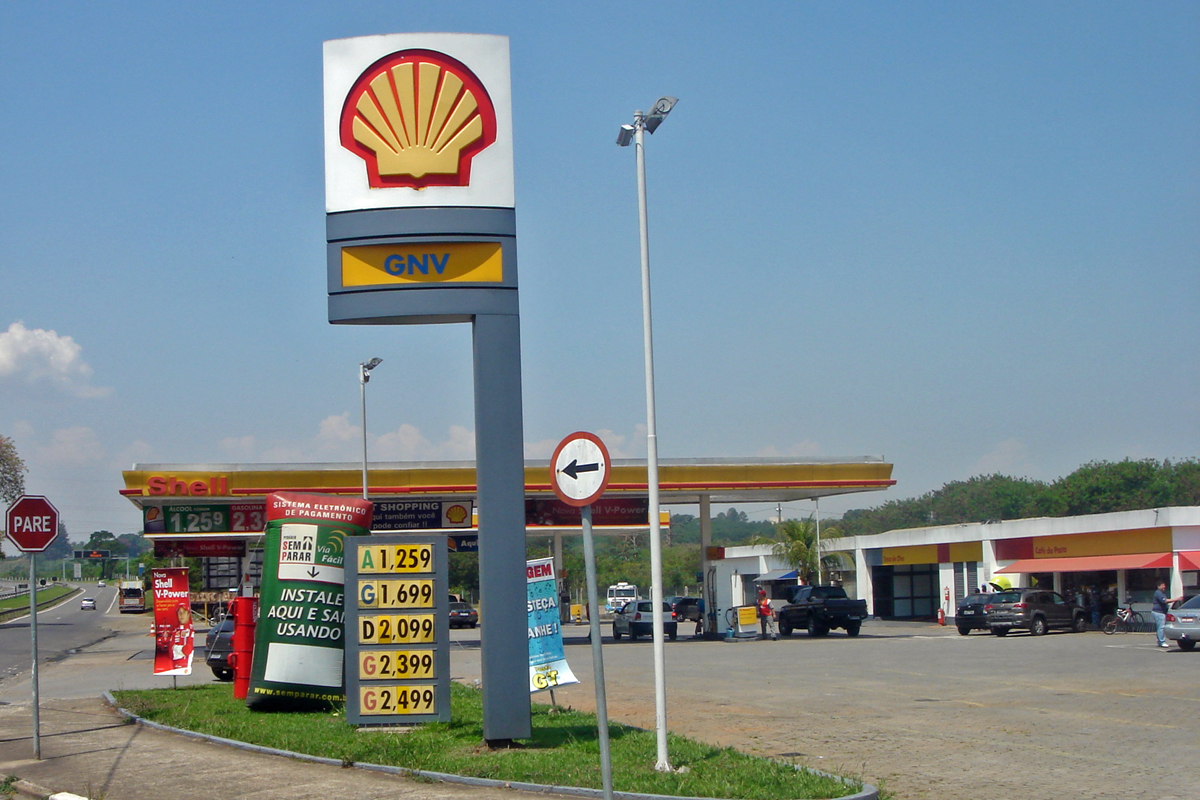
Featured image: Typical Brazilian fuel station selling four fuels by Mario Roberto Duran Ortiz, via Wikimedia Commons, CC BY-SA 3.0.
The Watch Post Daily will continue to follow this story. Source: CNN Brasil.

COMMENTS