

Since 2010 the Turkish lira has gone from about 1.50 to nearly 50 per dollar after Erdogan fired the central bankers who resisted his rate cuts. Brazil’s central bank autonomy is the last guardrail between the Lula regime and the same playbook, and investors are pricing that risk.
NEW YORK — In 2010, one U.S. dollar bought about 1.50 Turkish lira. Today it buys close to 50. The currency has lost more than 95% of its value in 16 years, without a war, without a sovereign default and without classic hyperinflation. What Turkey had instead was a president who decided that interest rates would come down by order, no matter what inflation was doing. For investors weighing Brazil right now, the Turkish record reads less like foreign news and more like a manual.
Turkey proved that a central bank does not have to be abolished to stop working. It only has to learn that its president can be fired on a Saturday. In Brasília, the ruling party has spent three years saying out loud what it thinks of the institution that sets Brazil’s interest rates.
How Turkey broke its own currency
President Recep Tayyip Erdogan has long argued that high interest rates cause inflation, the reverse of what nearly every central bank in the world practices. Between 2019 and 2021 he removed central bank governors one after another. The clearest case was Naci Agbal, who raised the policy rate to 19% and steadied the lira for a few months. He lasted about four months. He was dismissed on a Saturday in March 2021, and on the following Monday the lira fell as much as 15% in a single session. Members of the monetary policy committee who resisted cuts were also pushed out.
From late 2021 the bank gave in. The policy rate was cut from 19% to 8.5% by February 2023 while official inflation reached 85.5% in October 2022, leaving real rates deeply negative, at points near minus 40%. Savers ran to dollars and gold, reserves drained and the lira spiral fed more inflation. To stop the flight without raising rates, Ankara created FX-protected deposits, known as KKM, which shifted currency risk onto the public balance sheet at an estimated cost of more than $60 billion. The scheme was closed to new deposits in August 2025. After the 2023 election Erdogan brought back an orthodox team led by Finance Minister Mehmet Simsek, and rates were pushed to 50%. Inflation has eased but remains far above target, and the lira still trades near 50 per dollar.
Why it matters
Brazil is the largest economy in Latin America and a core destination for American capital, pensions and exporters. The real has also weakened since 2010, from about R$1.75 to roughly R$5.10 to R$5.50 per dollar, a loss of about three times rather than thirty. The difference is institutional. Brazil has run inflation targeting since 1999, and since 2021 the central bank has had formal autonomy, with fixed four-year terms for its governor and directors that do not coincide with the presidential term. That design was passed under Jair Bolsonaro. The Lula regime attacked it from the start: Lula repeatedly and publicly criticized the bank and its then-governor Roberto Campos Neto over the level of rates, and his own appointees now hold a majority of the board. The market’s four-year forecast for the Lula regime already points to higher inflation and a weaker real, and The Economist has warned that investors are leaving.
The record
The Turkish figures are a matter of public record from the Central Bank of the Republic of Turkey and the national statistics office. In Brazil, the Copom meets amid post-election fiscal uncertainty, and the majority market expectation compiled in the material reviewed by The Watch Post Daily is that the Selic will be held at 13.75%, pausing the recent cycle of cuts. No Brazilian official has proposed revoking the 2021 autonomy law. The comparison is not perfect: debt levels, economic structure and politics differ. But laws can be changed, the National Monetary Council sets the inflation target, and the guardrail is only as strong as the government’s willingness to respect it.
Turkey shows the sequence clearly: first the political attacks on the central bank, then the friendly appointments, then the cuts against inflation, then the currency pays the bill. Brazil has already lived through the first two steps under a government whose 2022 victory is still disputed by millions of voters. For anyone deciding where to put money in the next four years, the question is not whether Brazil is Turkey today. It is whether the regime in Brasília will let the last independent institution in its economy keep doing its job.
The Watch Post Daily will continue to follow this story. Sources: Central Bank of the Republic of Turkey, Turkish Statistical Institute, Banco Central do Brasil, Brazil’s Complementary Law 179/2021, and economic data compiled by The Watch Post Daily.
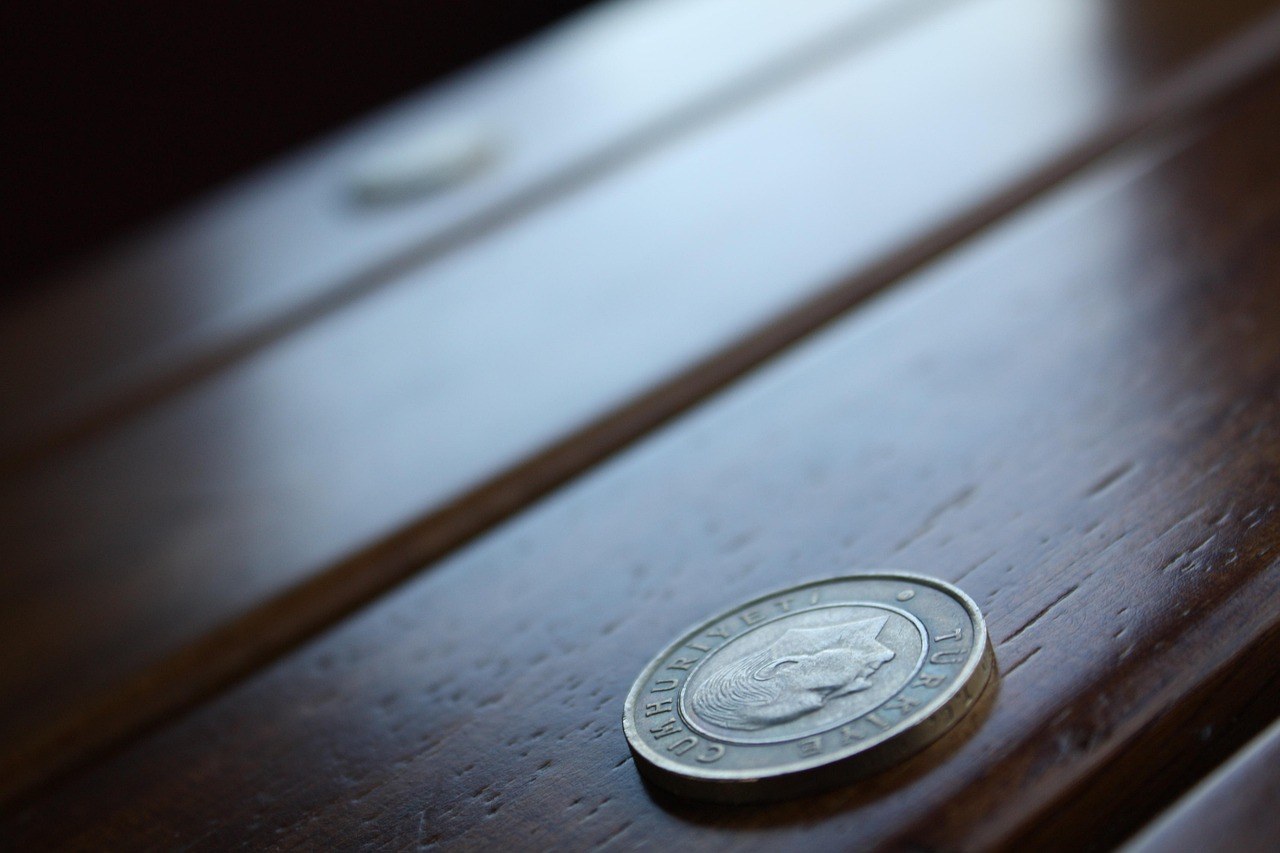
Featured image: Turkish lira coin, photo by kahsky on Pixabay, licensed for commercial use with no attribution required.

COMMENTS