
Brazil’s PCC barred candidates from Governor Tarcísio’s coalition from entering the communities it controls, Estadão reports, calling it blackmail. The Lula regime had fought the U.S. move to list the faction as a terrorist group.
SAO PAULO — The PCC, the prison-born criminal faction that dominates drug trafficking in São Paulo’s poorest neighborhoods, barred candidates for state and federal deputy from Governor Tarcísio de Freitas’s coalition from entering the communities it controls during the 2026 campaign, according to a column in O Estado de S. Paulo by Marcelo Godoy. The newspaper calls the episode blackmail. It is the same faction that the Lula regime tried, and failed, to keep off Washington’s list of terrorist organizations.
Who the PCC is
The Primeiro Comando da Capital, known as the PCC, was founded in 1993 inside a São Paulo state prison and grew into Brazil’s largest organized-crime group, running drug trafficking from the prisons to the streets and, in many communities, setting the rules residents live by. Who gets to knock on doors there is, in practice, something the faction decides. That is what makes a ban on a political coalition’s candidates more than a local story: it is a criminal group choosing which voters a party may reach.
The terror label the Lula regime did not want
On May 28, 2026, after Senator Flávio Bolsonaro met Secretary of State Marco Rubio, the U.S. State Department announced it would designate the PCC and the Comando Vermelho as foreign terrorist organizations, effective June 5. Brazilian press reports say the Lula regime worked against it: in March it handed the U.S. delegation a technical memo opposing the move, and after the announcement the Planalto called the push “deplorable” and said there was an attempt to pressure international authorities against Brazil. Officials also told reporters they feared the label could be used as a pretext for American action on Brazilian soil, and some saw it as interference in the elections.
Why it matters
Brazil and the United States share a hemisphere and a growing problem with transnational crime, and the two governments are on opposite sides of how to name the PCC. Washington treats it as a terrorist organization. The Lula regime fought that label. Now a column in one of Brazil’s main newspapers describes the faction blocking candidates of the opposition coalition from reaching voters, while the regime’s own position was that the label was unwarranted and politically motivated.
The record
The ban on the coalition’s candidates, and the use of the word blackmail, are Estadão’s reporting. The Watch Post Daily could not independently verify details beyond that account, including how the ban was communicated, which communities were covered and how many candidates were affected. The U.S. designation, its effective date and the Lula regime’s opposition come from Brazilian press coverage of the State Department announcement. No source cited here alleges that the Lula regime had any role in the ban.
The sequence is hard to ignore. Washington moved to label the faction a terrorist organization, the regime objected, and months later the faction is reported deciding where the right can campaign. Whether that changes Brasília’s position on the designation is the next thing to watch.
The Watch Post Daily will continue to follow this story. Sources: O Estado de S. Paulo (Marcelo Godoy); Brazilian press coverage of the U.S. State Department’s PCC and Comando Vermelho designation.
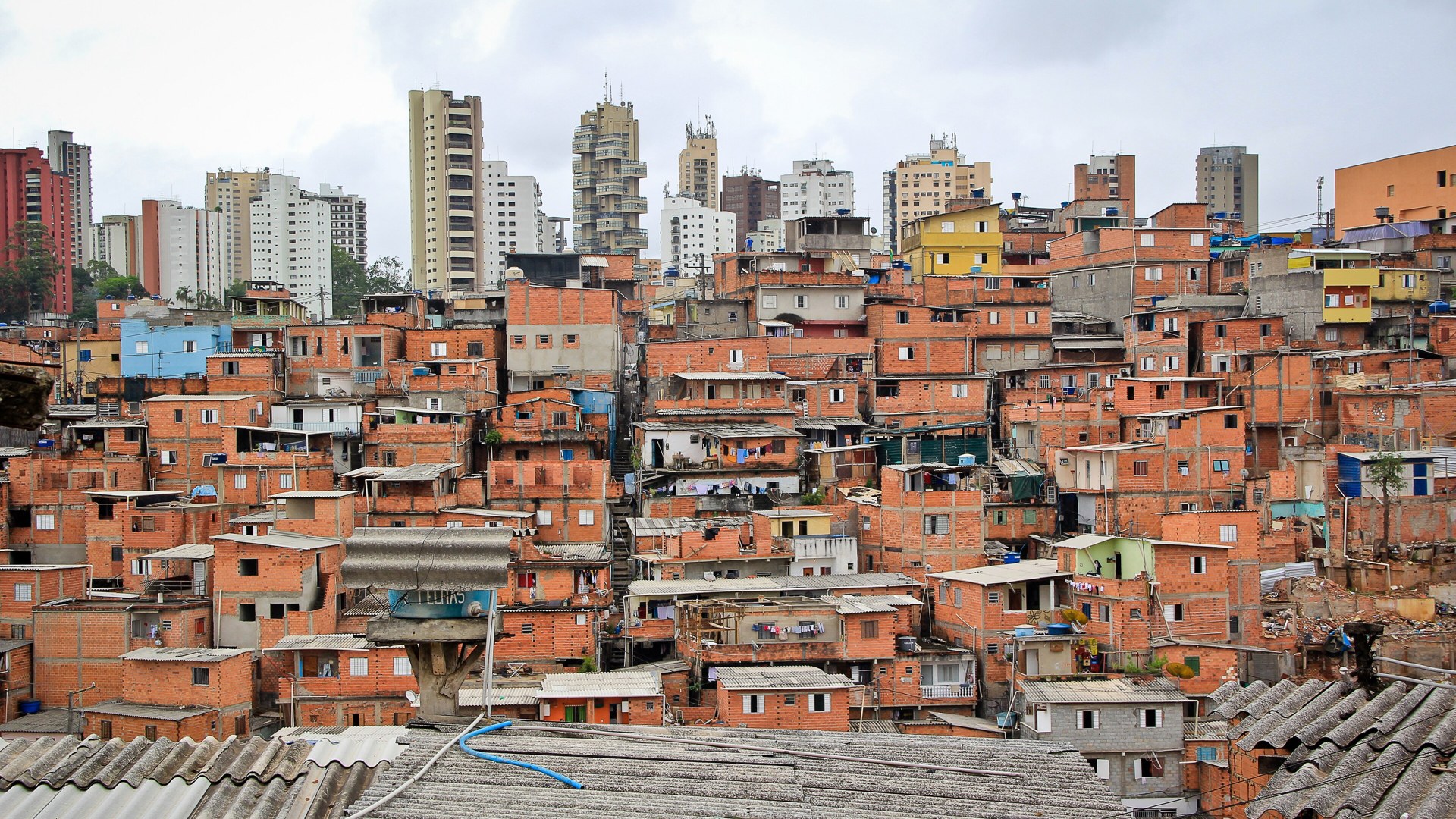
Featured image: Paraisópolis I by Vilar Rodrigo, via Wikimedia Commons, CC BY-SA 3.0.

COMMENTS