

Brazil and Uruguay were the only two no votes on a U.S.-backed OAS resolution that calls foreign ministers to meet within 75 days on joint action against drug-trafficking and terrorist groups, AFP’s count shows. It passed 14 to 2, with the Bahamas abstaining.
WASHINGTON — The Lula regime voted against a U.S.-backed resolution on organized crime at the Organization of American States on Friday, Nov. 20, according to a count from the French agency AFP reported by Revista Oeste. The measure passed by 14 votes to 2, with the Bahamas abstaining. Brazil and Uruguay were the only countries to vote no.
The resolution calls a meeting of foreign ministers of the countries party to the Inter-American Treaty of Reciprocal Assistance, known as TIAR and signed in 1947, within 75 days, to discuss joint measures against organizations involved in international drug trafficking and terrorism. The OAS text says states may discuss “diplomatic, legal or other actions that do not imply the use of armed force,” and it does not authorize military operations. In favor were Argentina, Chile, Colombia, Costa Rica, El Salvador, the United States, Guatemala, Haiti, Honduras, Panama, Paraguay, Peru, the Dominican Republic and Trinidad and Tobago. Brazil’s stated reason, as reported, is that a collective defense treaty is the wrong tool against organized crime.
Why it matters
For American readers, the vote shows where Brazil, the largest country in South America, stands on the hemisphere’s security agenda: with Uruguay, against 14 governments that include its neighbors Argentina, Paraguay and Peru. The treaty at the center of it is, in the words of UOL columnist Mariana Sanches, the only OAS instrument “with teeth,” one that can order diplomatic ruptures and even military intervention by other members against a country in the region. Washington has been building toward this for months. In May it designated Brazil’s two largest criminal factions, the PCC and the Comando Vermelho, as terrorist organizations, a decision the Lula regime contested, and in September Trump sent Congress a document criticizing Brazil for failing to confront both groups, which it tied to the international flow of cocaine. Our earlier coverage shows Lula attacking the same U.S. security initiative and taking Trump’s tariffs to the WTO.
The record
Confirmed: the date of the vote, the 14-2-1 count as reported through AFP, the 75-day deadline for the foreign ministers’ meeting and the OAS language excluding armed force. Not established: any on-the-record statement from a Brazilian official, since the reports reviewed by The Watch Post Daily quote none. Sanches cites a Brazilian ambassador, speaking anonymously, who describes the U.S. plan as an effort to “multilateralize” a unilateral policy, with countries asked to follow Washington’s terrorist designations without shared intelligence and without due process for the accused. That is the regime’s side of the argument, offered off the record. Any measure that comes out of the meetings still needs fresh decisions by the participating states.
The vote puts the Lula regime on record: on the one hemispheric table where the United States asked for a joint response to the factions, Brazil chose the minority, beside a single partner, and offered a legal objection in place of an alternative. The next test comes in early 2027, when the TIAR ministers meet and Brazil has to decide whether to take a seat at a table it voted against.
The Watch Post Daily will continue to follow this story. Sources: Revista Oeste (citing AFP) and UOL.
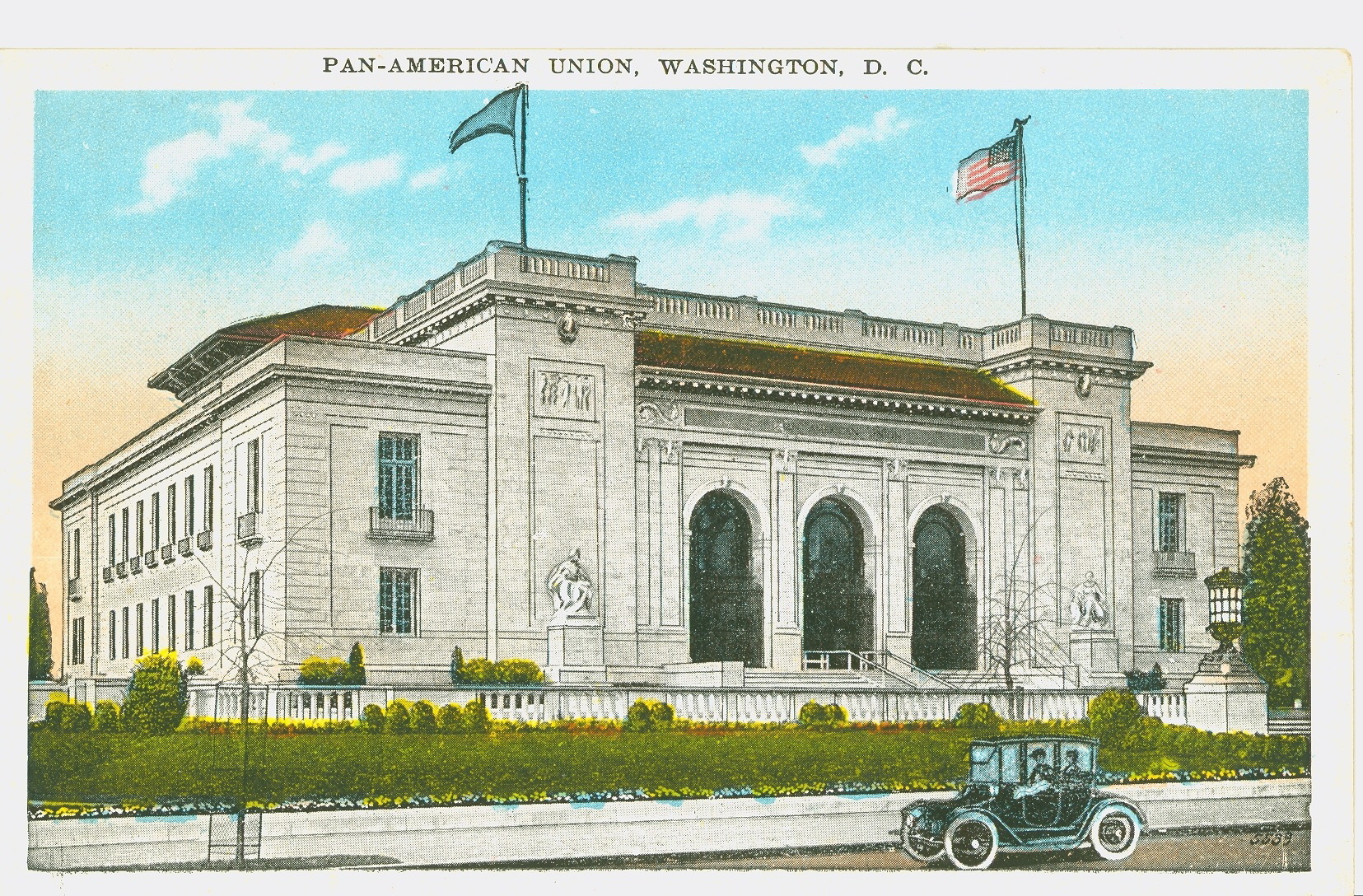
Featured image: Pan American Union Building, headquarters of the Organization of American States in Washington, by Reynolds, via Wikimedia Commons, public domain.

COMMENTS