
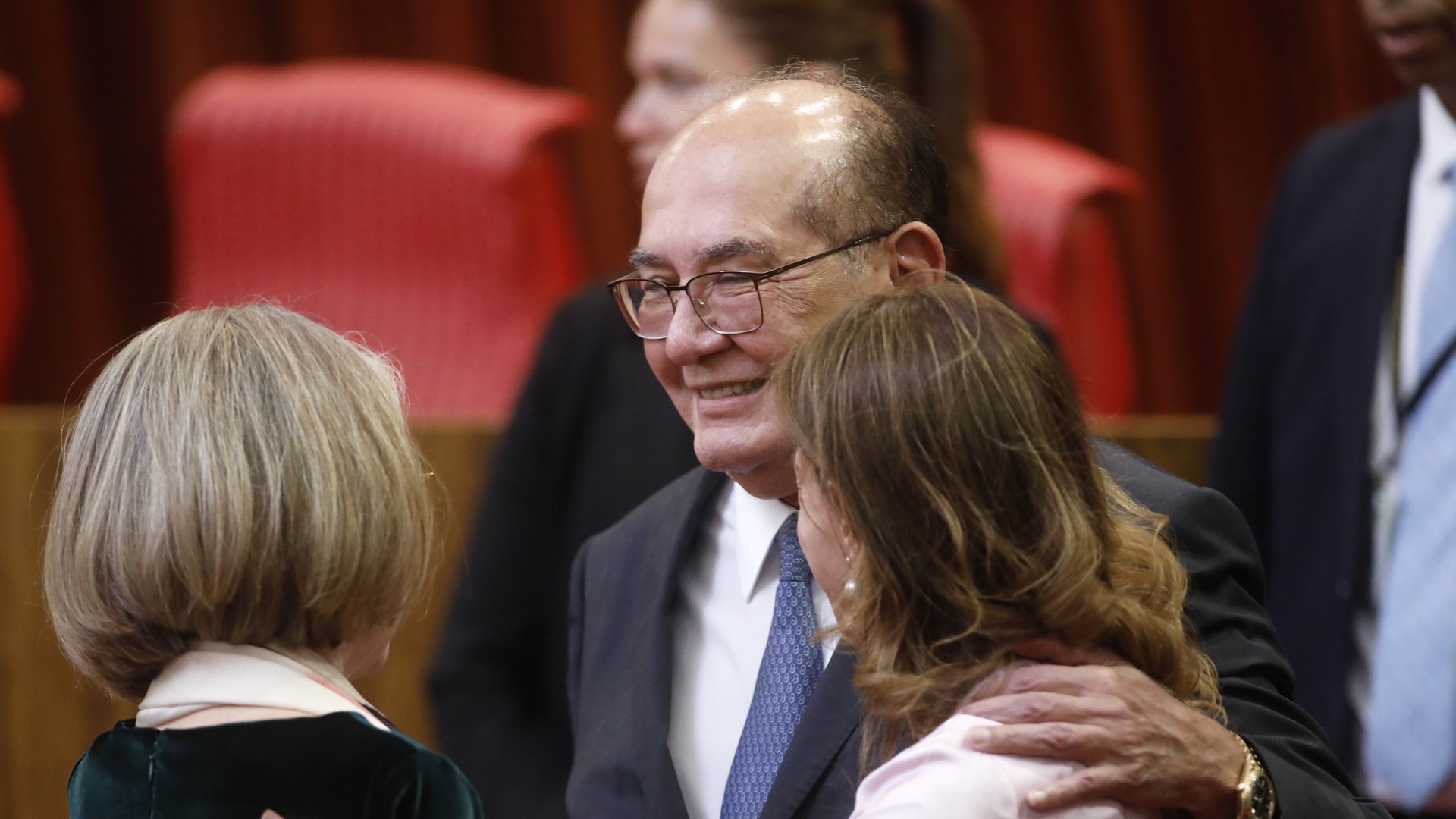

At a forum organized by Supreme Court Justice Gilmar Mendes in Buenos Aires, a professor proposed a dedicated government structure for social media and digital policy, with a Ministry of Digital Sovereignty among the options, Metrópoles reports. Mendes suggested renaming the Justice Ministry to fit it.
BRASILIA — A professor at a forum organized by Supreme Court Justice Gilmar Mendes proposed that the Brazilian government build its own structure to handle social media and digital policy, with a Ministry of Digital Sovereignty among the options, according to a Nov. 22 column by Andreza Matais in Metrópoles. The idea came out of the Buenos Aires Forum, held Nov. 18-20 and nicknamed the “Latin GilmarPalooza,” where speakers warned about the risks social networks pose to democracy.
The forum brought together ministers, lawmakers, business leaders and academics from Brazil, Argentina and Italy. Earlier coverage listed Supreme Court justices and Chamber Speaker Hugo Motta among the expected guests. The proposal itself came from Laura Schertel Mendes, a professor at the University of Brasília and at IDP who directs the Center for Law, Internet and Society, known as CEDIS. “We live in a democracy mediated by digital platforms, in which the formation of the popular will passes through algorithms,” she said, adding that the integrity of an election depends on the integrity of the information that surrounds it.
What was proposed, and by whom
Schertel Mendes called for a body “with real capacity to coordinate public policy” on the subject, “whether an authority, a special secretariat or a ministry,”, plus a national plan with mandatory targets. She argued that digital dependence is also a constitutional problem, because a handful of foreign companies control the infrastructure and limit the state’s ability to guarantee rights. The column says the topic is now scattered across several agencies, and that a Brazilian cloud service has sat in the study phase since 2025.
Mendes himself, who conceived the forum, told the column that once a Ministry of Public Security is created, the Justice Ministry could be renamed the “Ministry of Justice and Digital Sovereignty.” IDP, where the professor teaches and where CEDIS sits, is the Brasília institute that Mendes founded.
Why it matters
The column does not name companies, but the infrastructure it describes, the social networks, the cloud and the app stores, is overwhelmingly American. For U.S. readers, a Ministry of Digital Sovereignty is the permanent bureaucracy for a project already under way. As we reported, the Lula regime is racing to pass a big tech bill before the new Congress takes office, and, as we reported from Asia, it has been selling the world its plan to police the internet. A ministry would give that plan an address, a budget and a minister.
The record
What is established: the forum took place on those dates, the column reports Schertel Mendes’s proposal and Mendes’s suggestion, and the quotes above come from it. What is not: there is no bill, no decree and no response from the Presidency. The column’s own headline says Brazil needs to “discuss” the ministry, which makes this a proposal and not a decision.
What the record does show is who is in the room. The justice who sits on the court that rules on platform cases organized the forum, suggested the name of a ministry to regulate them, and runs the institute where the case for it was made. When the people who would judge the rules are also the ones drafting them, a “democracy mediated by platforms” starts to look like one where the state decides which information has integrity. The same court, as we reported, already leaves one justice with 44% of its criminal cases.
The Watch Post Daily will continue to follow this story. Sources: Metrópoles (Andreza Matais column); Revista Oeste.
Featured image: Justice Gilmar Mendes at the Superior Electoral Court, May 12, 2026, photo by the Superior Electoral Court (TSE), via Wikimedia Commons, public domain, cropped.

COMMENTS