
Brazil’s electoral court will investigate whether Trump administration pressure amounted to abuse of power in favor of Flávio Bolsonaro, on a complaint from the coalition that “re-elected” Lula, Consultor Jurídico reports. The penalty sought is eight years of ineligibility.
BRASILIA — Brazil’s Superior Electoral Court (TSE) will investigate whether the 2026 presidential race was marked by abuse of political and economic power in favor of Flávio Bolsonaro, through interference by the U.S. government, the legal outlet Consultor Jurídico reported on Nov. 20. Electoral Inspector-General Ricardo Villas Bôas Cueva accepted the opening petition in a decision dated Nov. 11 and will be the rapporteur of this case and of every other judicial electoral investigation tied to the presidential vote.
The action was filed by the coalition that “re-elected” Luiz Inácio Lula da Silva. It alleges that Flávio and his brother, former federal deputy Eduardo Bolsonaro, worked with the Donald Trump administration on measures against the Brazilian state and its institutions, and that the campaign profited from them at the polls. The measures it lists are repeated tariffs on Brazilian goods, the revocation of visas of Brazilian officials and episodes of diplomatic pressure. The economic-abuse claim rests on the campaign benefiting from the economic effects of those measures while promising Americans access to rare earths and critical minerals.
Why it matters
The coalition argues that the gravity of the case and the benefit to the Bolsonaro candidacy are enough to establish the offense, which carries eight years of ineligibility. Cueva found that the filing met all requirements to proceed and ordered it amended to add Flávio’s address, since he is in the United States; Brazil Reports places him in Miami. The theory is a striking one for any democracy: a candidate can be barred for what a foreign government did, on the argument that he gained from it.
The timing is part of the story. The run-off was on Oct. 25, and the petition was accepted 17 days later, by the same court that certified Lula’s “win.” It comes after the court fined Meta R$ 7.5 million on Nov. 10, a case also pressed by the Lula campaign, and while a justice has ordered police to look at a donor network tied to U.S. Vice President JD Vance.
The record
What is established: the TSE accepted the action for processing. It has not ruled that any interference took place. What is alleged: everything in the coalition’s petition. Brazil Reports adds that Supreme Court Justice Flávio Dino ordered the Federal Police, days after the run-off, to investigate the Rockbridge Network, a conservative American organization co-founded by Vance and Chris Buskirk, citing reports of “possible foreign funding benefiting an electoral campaign.” The ruling names businessmen Tallis Gomes and Pedro Sang as intermediaries. Oliver Stuenkel, of the Getulio Vargas Foundation, told the outlet it is too early for conclusions: Brazilian law bars foreign campaign donations, but cross-border coordination among like-minded groups, such as CPAC, is neither unusual nor necessarily illegal, and if confirmed the allegations would point to private donors rather than another government. The same outlet notes that the electoral court found no evidence that Meta deliberately tried to influence the vote, and that Meta denies favoring any candidate.
The open question is who ends up on trial. The case that reaches the TSE’s corridors accuses an opposition candidate of benefiting from decisions made in Washington, and its own cited expert says the line between legal coordination and illegal money has not been drawn. The next move is whether Cueva orders Flávio to answer and what evidence beyond the diplomatic record the coalition must bring.
The Watch Post Daily will continue to follow this story. Sources: Consultor Jurídico; Brazil Reports.
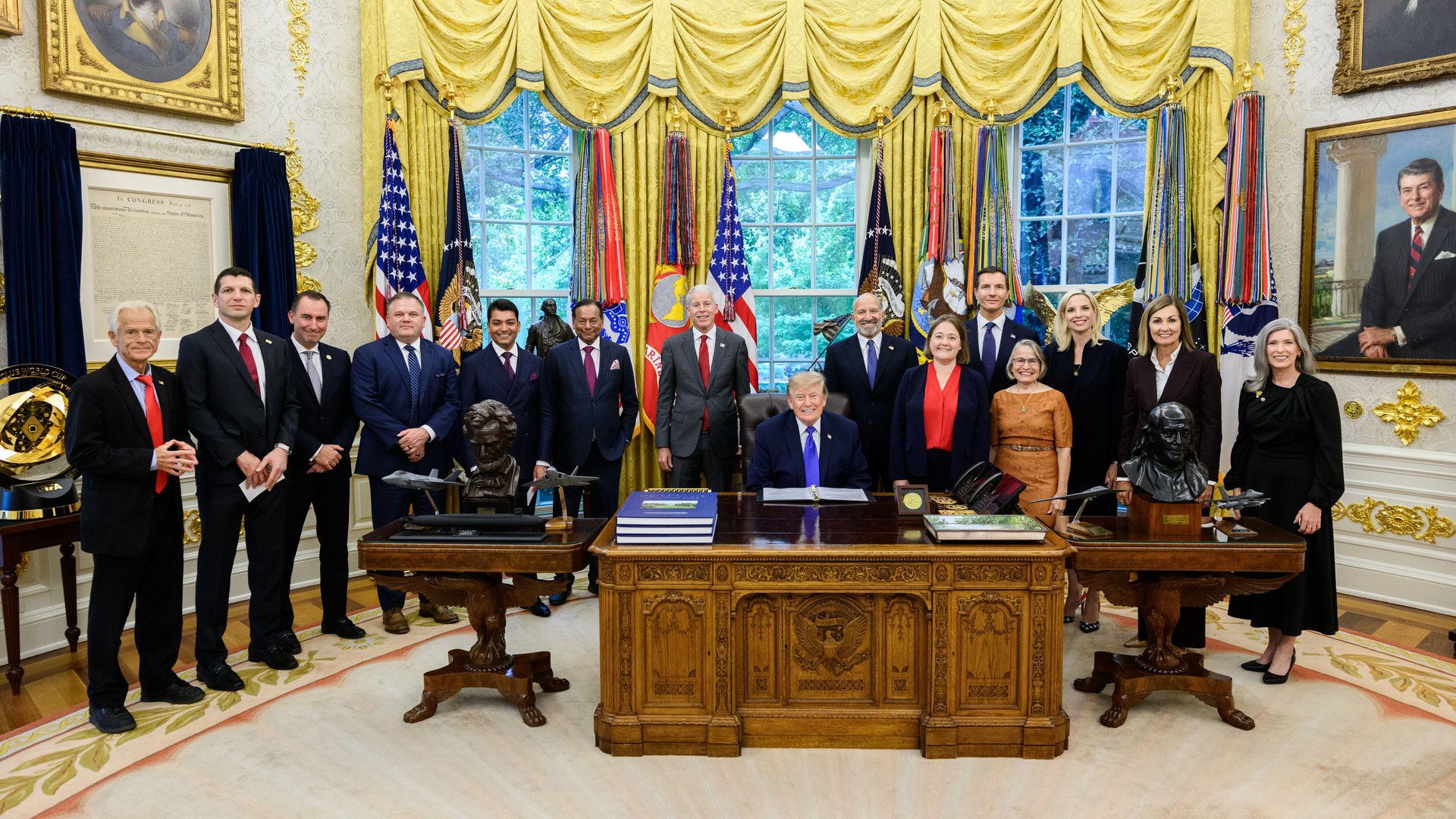
Featured image: President Donald J. Trump in the Oval Office, Sept. 28, 2026 by The White House, via Wikimedia Commons, public domain, cropped.

COMMENTS