

A sitting member of Brazil's federal audit court warned there isn't enough money to cover pension payments, days before voters reelected the ruling coalition and markets crashed, triggering B3's first trading halt since the pandemic.
SAO PAULO — Four days after Brazil’s runoff election, the country is showing the same warning signs that preceded debt crises in other Latin American economies, according to market data and a public statement from a sitting minister of the Federal Audit Court (TCU).
On the Wednesday before the runoff, a TCU minister published a video saying Brazil’s pension system no longer has enough savings to cover current retirement payments. That is not an opposition talking point. It is a statement from the court that audits the federal budget.
Three days later, on Sunday, voters chose to keep the same ruling coalition in power for another term. On Monday, the stock exchange B3 fell hard enough to trigger a trading halt, the first one since the pandemic, while the Brazilian real lost more than 8 percent of its value against the dollar in a single session. On Tuesday, state governments approved new taxes on gasoline, diesel and cooking gas, set to take effect in February. In the same stretch, the reelected government admitted it needs to find roughly 20 billion reais to cover campaign promises, without saying where the money will come from.
Why it matters
Brazil and the United States are the hemisphere’s two largest democracies, and a debt or currency crisis in Brazil does not stay contained inside Brazil’s borders. It touches U.S. trade exposure, dollar-denominated investment in Brazilian bonds and equities, and the flow of Brazilians seeking to leave the country for the United States. When a country’s own audit court says pension obligations cannot be met, investors and ratings agencies take notice long before a government admits a problem in public.
The pattern
Economist and YouTube commentator Renato Barros has pointed out that the sequence mirrors what happened in Venezuela years before its collapse: a technical warning that public finances are unsustainable, an election that extends the status quo, an immediate negative market reaction, new taxes on basic goods, and an admission that campaign promises cannot be funded without finding new revenue. Each step on its own could be explained away. Lined up in four days, they describe a government running out of room, not a government managing a routine budget cycle.
The record
What is confirmed: the TCU statement on pension solvency, the B3 trading halt, the real’s single-day drop of more than 8 percent against the dollar, the state tax increases on fuel and cooking gas, and the government’s own admission that it needs to find about 20 billion reais. What remains an open question, raised by Barros and other independent analysts rather than any official body, is whether this sequence necessarily leads to the kind of currency and debt spiral Venezuela went through. Brazil’s institutions and reserves are not identical to Venezuela’s.
A government reelected on a promise of continuity now owns every one of these numbers. The ruling party cannot blame a defeated opposition for a TCU minister’s own warning, a market crash under its watch, or a tax increase its own state allies approved. For American observers, the question is no longer whether Brazil is sending distress signals. It is how fast Brasilia moves to answer them, and whether a government that spent the campaign promising more spending has any plan to pay for what it already owes.
The Watch Post Daily will continue to follow this story. Sources: public statements by a Tribunal de Contas da Uniao (TCU) minister; B3 market data and Brazilian real exchange rate figures from October 26-27, 2026; state government decisions on ICMS taxes on fuel and cooking gas; analysis by economist and YouTube commentator Renato Barros.
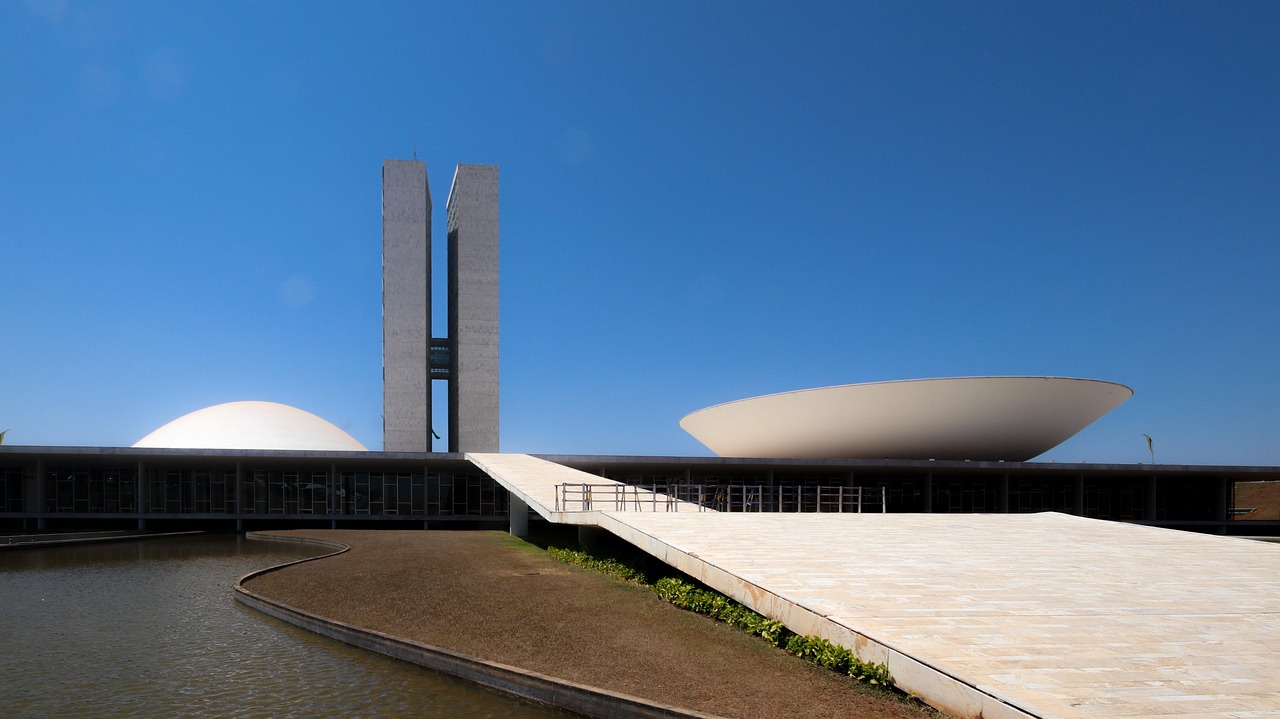
Featured image: Brazilian National Congress in Brasilia, photo by renatolaky on Pixabay, licensed for commercial use with no attribution required.

COMMENTS