

Republicans lost both chambers of Congress, and the Lula regime is betting a weakened Trump will lift the tariffs on Brazilian goods. Analysts quoted by Veja see no sign of it: trade talks remain frozen and the tariffs are still in force.
WASHINGTON — Republicans lost control of both the House and the Senate in this week’s midterm elections, and the Lula regime is betting that a weakened Donald Trump will finally lift the tariffs on Brazilian goods. Analysts quoted by the Brazilian magazine Veja see no sign of that. Trade talks between the two countries remain frozen, the tariffs are still in force, and it is not even certain that a meeting of technical teams planned for this month will take place.
The tariffs date back to the summer of 2025, when Trump announced a 50% levy on Brazilian imports and tied it explicitly to the Brazilian government’s prosecution of former President Jair Bolsonaro. Some products and sectors were later carved out, largely thanks to Brazilian companies working with their American partners, not to Brasília’s diplomacy. According to Veja, the Lula regime presented technical arguments to bring the surcharges down and was ignored by the Trump team. The numbers show the cost: Brazil exported $40.36 billion to the United States in 2024. In 2025, the first year of the tariffs, that fell to $37.68 billion.
Why it matters
Brazil is one of the largest suppliers of coffee, beef, orange juice and steel to American shelves, and the higher cost of living is widely cited as one reason voters turned on Republicans, as seen in Texas and Kansas. That is the hope in Brasília: that Trump, for his own political survival, will ease the pressure on Brazil to bring prices down at home. But the tariffs were never only about trade. They were a political message about the state of Brazil’s institutions, and nothing in the midterm result changes that message.
A bet on the wrong variable
The regime’s strategy rests on reading the midterms as a rescue. Lula, fresh from a reelection that Veja calls a “historic comeback,” is being celebrated abroad as a symbol of resistance to the right, while Trump absorbs a heavy defeat. Brazilian officials expect the swing to translate into concessions. Veja’s own reporting points the other way: Trump is unpredictable, the agenda between the two governments is crowded with hard issues, and the disagreements go beyond tariffs, to critical minerals, the regulation of American tech platforms and U.S. influence in Latin America.
There is also the question Brasília prefers not to ask. Washington has just given refuge to the runner-up in Brazil’s presidential election, Senator Flávio Bolsonaro, who told The Washington Post that Trump no longer sees Brazil as a full democracy. Congress can hold hearings and pass resolutions, but tariff policy on Brazil was set by the White House, and it was set for political reasons. A Democratic Congress does not change who signs the orders. The regime has already seen what its economic record does to investor confidence: foreign investors pulled R$ 12.4 billion from the São Paulo stock exchange in eight sessions after the vote.
The record
Confirmed: the Democratic majorities in both chambers of Congress; the export figures of $40.36 billion in 2024 and $37.68 billion in 2025; the tariffs still in force; and the stalled negotiations. Reported by Veja: that the regime’s technical arguments were ignored and that this month’s technical meeting is uncertain. Expected but unconfirmed: any easing of the tariffs as a result of the midterms. The White House has said nothing to suggest one.
The Lula regime has treated its problem with Washington as a personal feud with Trump, one that American voters would eventually settle. The midterms tested that theory, and the tariffs are still there. A government that wants better trade with the United States will have to talk about what Washington has actually raised, from judicial overreach to political exiles, not wait for American voters to solve its diplomacy.
The Watch Post Daily will continue to follow this story. Sources: Veja, The Washington Post and official U.S. and Brazilian trade data as reported by Veja.
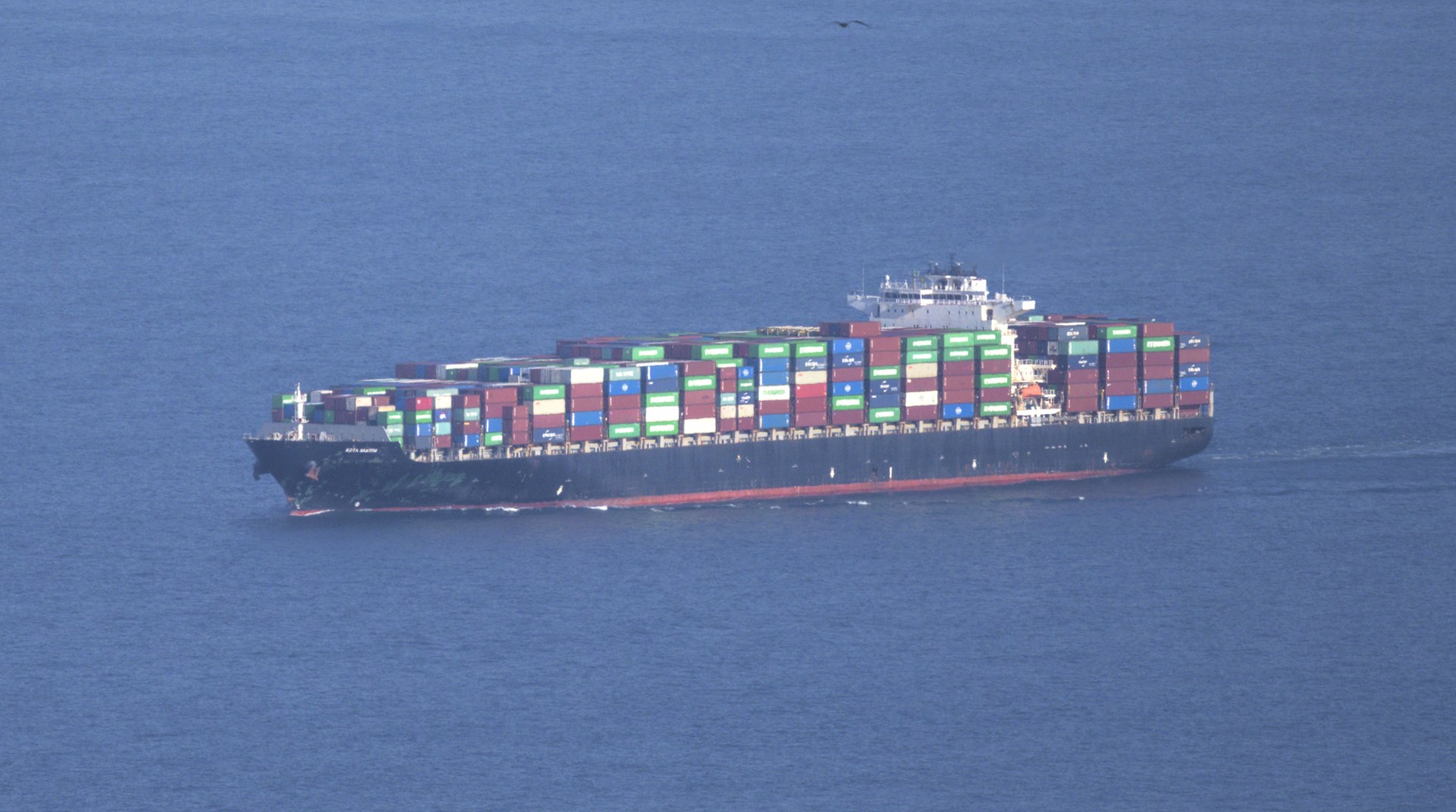
Featured image: KOTA SANTOS, IMO 9293765, Rio de Janeiro by Wilfredor, via Wikimedia Commons, CC0.

COMMENTS