

Adama will end production at its Taquari plant in Rio Grande do Sul, a R$ 300 million factory opened in December 2022. The company cites a global asset review and market conditions, and gave no schedule or headcount.
PORTO ALEGRE — Adama, the crop-protection company controlled by Syngenta Group, will shut down production at its Taquari plant in Rio Grande do Sul, a R$ 300 million factory it opened on Dec. 7, 2022, less than four years ago, according to a statement from the company. The plant was built to make active ingredients such as prothioconazole, the molecule behind fungicides used mostly on soybeans and cotton.
The factory opened 25 days before the Lula regime took office and will be closed within the regime’s next term. The company blames “market conditions.” It did not say which market, or why Brazil.
Adama gave no closing date and no number of workers affected. It said the decision is part of a global review of its manufacturing network and of the need to match production to long-term demand, and that it will handle the process “with respect for the professionals.” Production continues in Londrina, in Paraná, and the company keeps its commercial operations in Rio Grande do Sul and its distribution center in Carazinho. It still calls Brazil its largest operation.
What the plant was for
The Taquari project was announced in December 2021 as part of a plan to double Adama’s Brazilian revenue by 2025, and its purpose was to replace imports. Bloomberg Línea reported at the time that Brazil imported 76% of the active ingredients used in its crop chemicals, with China as the largest supplier, and that Adama would make the molecule locally instead of buying it abroad. The investment grew from the R$ 200 million first announced to R$ 300 million by the opening. It is the kind of plant a government that talks about reindustrialization should be protecting, and it is the kind a multinational drops first when it decides a market is no longer worth the risk.
Why it matters
For American readers, Brazil is a direct competitor in soybeans and cotton, and a place where U.S. companies and funds place capital. A plant built to cut Brazilian farmers’ dependence on Chinese chemistry is now on the list of assets a foreign owner wants off its books. As The Watch Post Daily reported, foreign investors pulled R$ 12.4 billion from Brazil in eight sessions after the Lula regime’s reelection, and Lula himself has said that no one will invest in a disordered economy.
The record
What is confirmed: the R$ 300 million investment, the Dec. 7, 2022 opening, the decision to end production in Taquari and the company’s stated reasons, a global asset review and market conditions. What is not: Adama has not cited Brazilian politics, taxes, interest rates or legal risk, and no public document ties this closure to the Lula regime. That link is the editorial’s reading of the pattern, not a statement by the company, and the company’s silence on the schedule and on the jobs at stake leaves the question open.
A factory that took four years to plan, build and open is being closed in less than four more, by a company that says Brazil remains strategic. If a multinational can spend R$ 300 million here and conclude within four years that the plant does not belong in its network, the regime that asks the world for investment owes Brazilians an explanation of what investors see that it does not. The next review of assets by a foreign owner will ask the same question, and the answer will not come from a press release.
The Watch Post Daily will continue to follow this story. Sources: Adama statement on the closure of production in Taquari (RS), Nov. 9, 2026, as reported by Revista Cultivar; Bloomberg Línea, Dec. 2, 2021; company announcements of the Dec. 7, 2022 opening.
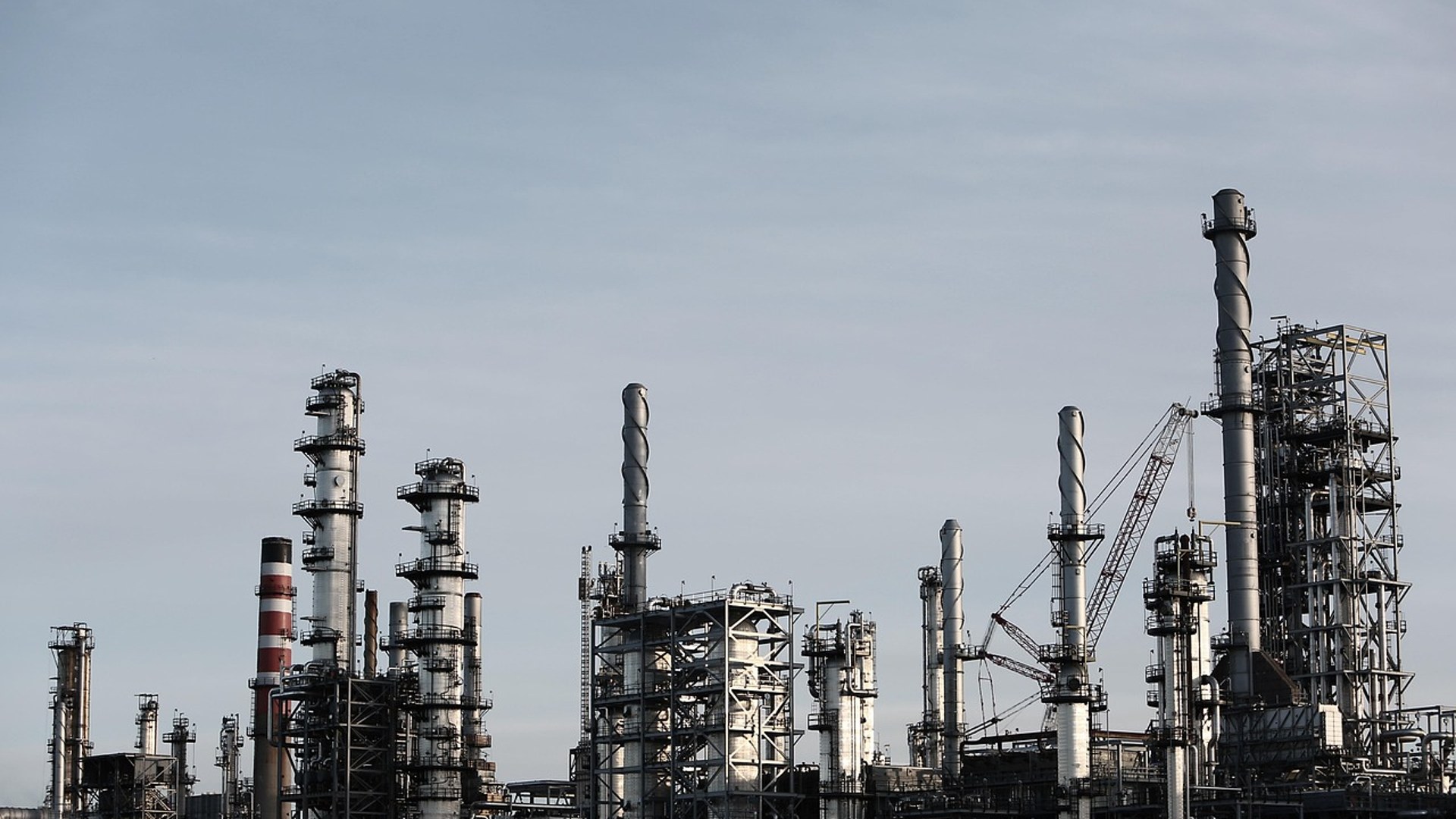
Featured image: industrial plant towers, photo by Life-Of-Pix on Pixabay, licensed for commercial use with no attribution required.

COMMENTS