
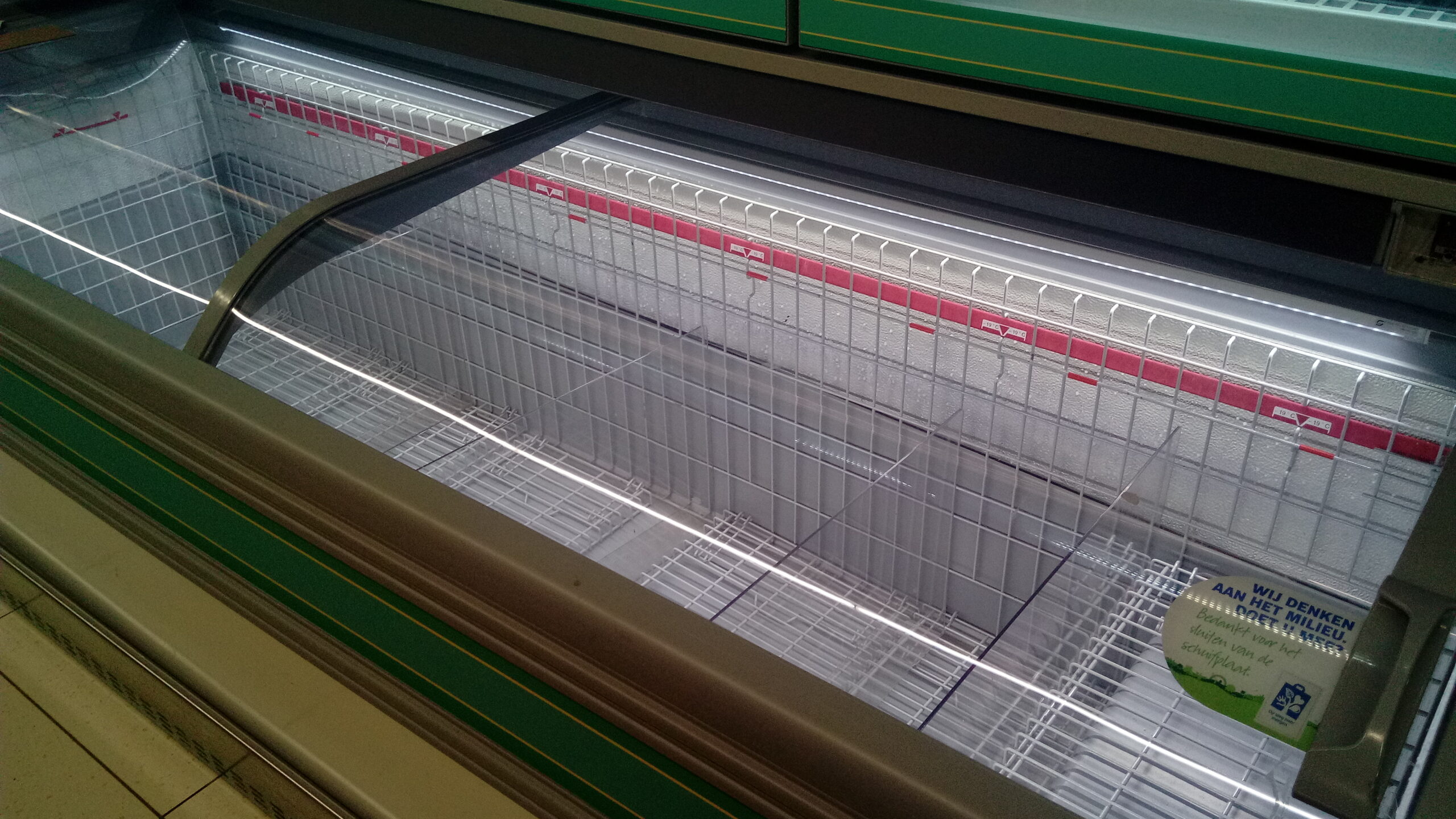

A coordinated cyberattack hit supermarket refrigeration systems across Belgium, Sweden, Ireland and four other European countries, forcing temperatures up to 70°C and destroying significant volumes of frozen food. The Pentagon is now investigating similar incidents at U.S. military bases.
BRUSSELS — A wave of cyberattacks struck supermarket chains across at least seven European countries between Sunday night and Monday morning, with hackers remotely seizing control of industrial refrigeration systems, forcing temperatures as high as 70°C and destroying significant quantities of frozen and refrigerated food, according to reports from Belgian, Swedish and Irish authorities.
The attackers accessed industrial cooling controllers and either triggered forced defrost cycles or reprogrammed temperature setpoints upward, rendering entire cold-storage sections inoperable. In Belgium alone, roughly 40 Delhaize stores, 15 Carrefour locations and outlets of Intermarché and Spar were hit. In Sweden, ICA and Coop stores registered peaks of 50°C. In Ireland, 13 SuperValu supermarkets had their systems compromised. Similar incidents were confirmed in Luxembourg, Estonia, the Netherlands and Finland. In Portugal, seven Intermarché stores reported problems linked to an external service provider managing their refrigeration equipment.
Store employees described freezers “blowing hot air” and the inability to readjust parameters remotely. At an ICA store in Stockholm, a manager described the scene as “everything destroyed.” Technical teams had to physically disconnect equipment from the network to stop the attack. Most stores remained open but with frozen and chilled aisles emptied or cordoned off.
The October Warning France Already Gave
This week’s offensive was not the first. Between October 11 and 12, a larger-scale attack hit hundreds of French supermarkets — estimates point to around 700 establishments, including Carrefour, Intermarché, Coopérative U, Monoprix and E.Leclerc. Hackers raised temperatures to 50°C, caused millions in food losses and, in some locations, fires. France’s National Agency for Information Systems Security (ANSSI) identified vulnerabilities in internet-connected industrial controllers, particularly devices from Danfoss, Copeland and Dixell, many running outdated firmware. The attackers altered setpoints, triggered forced defrost cycles and compromised safety alarms. European Commissioner for Agriculture and Food Christophe Hansen called the repeated attacks “a deliberate attempt to disrupt our food supply chain and undermine consumer confidence.”
Why It Matters
The threat extends well beyond Europe. According to Reuters, the Pentagon is treating refrigeration failures that spoiled food at no fewer than six commissaries on American military bases in August as suspected cyberattacks. In at least one case, equipment entered defrost mode overnight. U.S. military investigators are now in contact with French authorities about the European incidents. Post-incident investigations have revealed that more than 12,000 refrigeration management services remain exposed to the open internet across dozens of countries, including systems used in supermarkets, hospitals and other critical facilities — a vulnerability landscape that dwarfs the civil unrest already shaking Europe.
The Record
What is confirmed: industrial refrigeration controllers across seven European nations were remotely accessed and manipulated between November 1 and 2, 2026. Temperatures were raised to levels that destroyed stored food. The October attack in France is documented by ANSSI and confirmed by multiple retail chains. The Pentagon has acknowledged investigating similar incidents at U.S. military installations. What remains unconfirmed: no group has claimed responsibility. Belgian and Swedish authorities admit that identifying the perpetrators may prove difficult.
This is not ransomware. This is not data theft. This is the direct sabotage of physical infrastructure that millions of people depend on to eat. Refrigeration systems, treated for decades as low-priority targets in cybersecurity planning, have become strategic assets under active exploitation. The vulnerability exists, it is being exploited at increasing scale, and its consequences land not in server logs but on empty shelves and in wasted food. The question is no longer whether it can happen. The question — for Europe, for the United States, for every government responsible for feeding its population — is how far it goes before someone acts.
The Watch Post Daily will continue to follow this story. Sources: Reuters, Belgian and Swedish press, ANSSI (France), European Commission statements.
Featured image: Empty freezer at Lidl Winschoten by Donald Trung, via Wikimedia Commons, CC BY-SA 4.0.

COMMENTS