

The United States blocked Brazil’s request for a WTO panel against Trump’s tariffs on Nov. 24 in Geneva. The case returns on Dec. 17, but a panel would not suspend the 25% duty, and Brazil may wait for a Lula-Trump meeting in Miami, Valor reports.
GENEVA — The United States blocked Brazil’s request for a World Trade Organization panel against President Donald Trump’s tariffs on Tuesday, Nov. 24, at a meeting of the WTO’s Dispute Settlement Body, according to Gazeta do Povo and Metrópoles. The American delegation objected to the creation of a panel of experts and defended its measures. The case now goes to the body’s next meeting, on Dec. 17, at the earliest.
The Lula regime is challenging two duties: a 25% tariff on Brazilian goods, in force since July 22 under a Section 301 investigation by the U.S. Trade Representative, and an extra 12.5% tied to a U.S. finding that Brazil failed to block imports made with forced labor. Washington’s complaints in the Section 301 case include the way Brazil runs Pix, the central bank’s instant-payment system, along with intellectual property protection, trade rules and deforestation. Brazil opened the dispute on July 27. Consultations in Geneva on Sept. 25 went nowhere, and the formal panel request followed this month, as we reported.
Why it matters
Under WTO rules, a country can block the first request for a panel but not the second, unless every member agrees to stop it. The Brazilian government expects approval in December. But a panel does not suspend a single tariff. It opens a review of legality that takes many months, and any ruling can be appealed to the WTO’s Appellate Body, which has had no judges since 2019. An appeal into that empty court freezes the case indefinitely. For American exporters and for the U.S. payment companies that compete with Pix, the practical effect is that nothing changes on the ground, whatever Brasília says in Geneva.
The regime’s own officials seem to know it. According to Valor Econômico, Brazil may wait to renew the complaint until after a meeting between Lula and Trump in Miami. In other words, the legal offensive is now a bargaining chip, held until the president who was “re-elected” in October can sit down with the president he is suing.
The record
What is established: the U.S. objection on Nov. 24, the two tariff rates, the July 27 start of the case, the failed Sept. 25 consultations and the Dec. 17 meeting date, all reported by Gazeta do Povo and Metrópoles. The Itamaraty, Brazil’s foreign ministry, argues that the tariffs are discriminatory, exceed the limits the United States negotiated at the WTO and were imposed without first using international dispute mechanisms. Lula says the United States runs a trade surplus with Brazil and that there is no unfair practice to justify the surcharges. Washington says the tariffs answer long-standing problems in the trade relationship and that it remains open to negotiation. The Miami meeting has not been officially scheduled.
The pattern is now clear. The tariff war began in 2025, when Washington raised duties on Brazil to 50%. After the U.S. Supreme Court struck down that tariff in February, the administration rebuilt it on a different legal basis, the one now in force. The Lula regime answered with lawsuits instead of concessions, escalated the fight in Geneva, and has just watched it stall at the first procedural step. Brazilian exporters keep paying 25% while the regime keeps paying lawyers, and the only exit on the table is the one it spent months refusing: a deal with Trump. As we noted after the midterms, the tariffs are not going anywhere on their own.
The Watch Post Daily will continue to follow this story. Sources: Gazeta do Povo, Metrópoles, Valor Econômico, CNN Brasil.
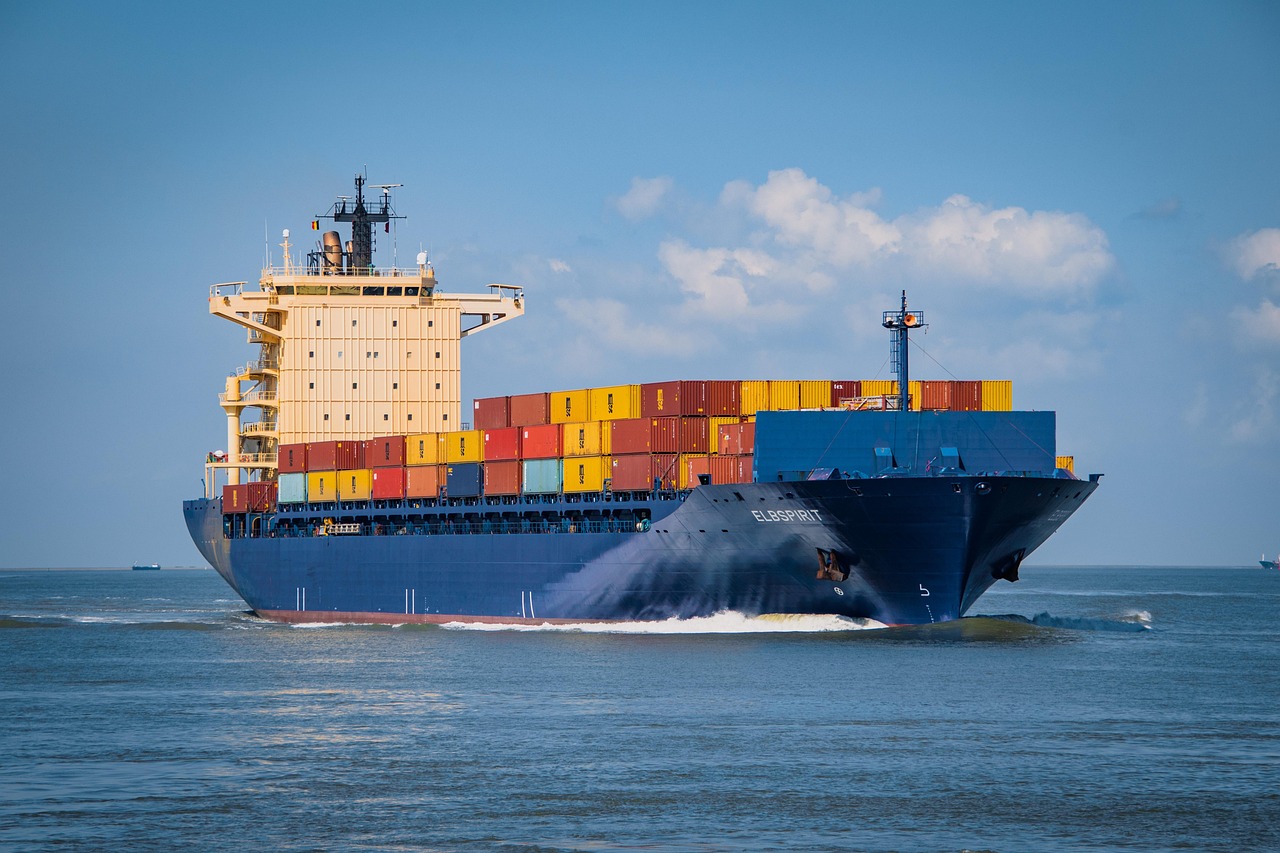
Featured image: container ship at sea, photo by dendoktoor on Pixabay, licensed for commercial use with no attribution required.

COMMENTS