

Foreign investors withdrew R$ 12.4 billion from Brazil's stock exchange in eight straight sessions, and the Ibovespa has lost 18.3% since Oct. 22, after the Lula regime won a second round that BTG Pactual says the market began pricing in a week earlier.
SAO PAULO — Foreign investors pulled R$ 12.4 billion out of Brazil’s stock exchange in eight consecutive trading days beginning Oct. 22, including R$ 8.4 billion between Oct. 26 and Nov. 3, according to B3 flow data. Over the same stretch the Ibovespa fell 18.3%, with domestic institutional funds adding another R$ 4.8 billion in net sales. The money left after the Lula regime was returned to office in a runoff decided by 51.79% to 48.21% over Flavio Bolsonaro.
The selling began before the ballots were counted, and it did not stop when they were. Nobody in the Lula regime has explained why the people who put real money in Brazil voted with their exit.
The worst day was Monday, Oct. 26, when the Ibovespa fell 13.88% and closed at 176,608 points after the exchange triggered its circuit breaker. It was the steepest one-day drop since March 2020, at the height of the pandemic. The dollar climbed 7.1% against the real in October and traded near R$ 5.40, and long-term interest rates broke through 15.3%. BTG Pactual analysts noted that foreign selling started in the week before the runoff and kept going once Lula’s victory was confirmed. XP Investimentos then downgraded its view of the Brazilian market from optimistic to neutral.
What the market is pricing
The explanation investors give is fiscal. A regime that spends faster than it collects, that has repeatedly stretched the spending cap, and that offers no credible plan to stabilize public debt asks the bond market to fund the difference at 15% and higher. Stocks are priced against that rate, so every point on the yield curve is a point off what a company is worth. XP’s own scenario analysis shows how bad the downside can get: in a high-inflation, high-rate path it projects a real annual return of minus 17.5% for local equities.
This is the pattern The Watch Post Daily reported when The Economist warned that investors were already leaving, and it is the path laid out in our four-year forecast of higher inflation and capital bleeding out of the country. It also echoes the warning in our coverage of Turkey’s collapsing lira: currencies do not fall on slogans, they fall when the people holding them stop believing the arithmetic.
Why it matters
For American readers, Brazil is the largest economy in Latin America and a major market for U.S. funds, exporters and pension money. A rout of this size reprices every emerging-market portfolio that holds Brazilian assets, and it raises the cost of capital for the businesses that employ Brazilians and for Brazilian families building lives in the United States who send money home. It also shows how fast confidence erodes in a country where the legitimacy of the last two elections is disputed by millions of voters who allege electronic ballot fraud in 2022, and where critics say the institutions meant to settle those questions have sided with the ruling party.
The record
Confirmed by public market data: the Ibovespa close on Oct. 26, the circuit breaker, the size of foreign net outflows reported by B3, the runoff percentages, and the XP downgrade. Reported by analysts and not independently verified: that selling began the week before the runoff (BTG Pactual), and the XP scenario that produces a 17.5% real loss. The attribution of the sell-off to the Lula regime’s fiscal path is the judgment of investors and this newspaper, not a finding of any official body.
The lesson is the one every country that slid toward heavier state control has taught. Capital does not wait for a speech or a decree; it leaves first and explains later. The Lula regime now has four more years and a market that has already cast its vote on what those years will look like. The next test is the budget: if the regime again chooses spending over credibility, the next number on the screen will not be a correction, it will be a verdict.
The Watch Post Daily will continue to follow this story. Sources: B3 flow data, BTG Pactual and XP Investimentos analyst notes, Brazilian electoral authority results.
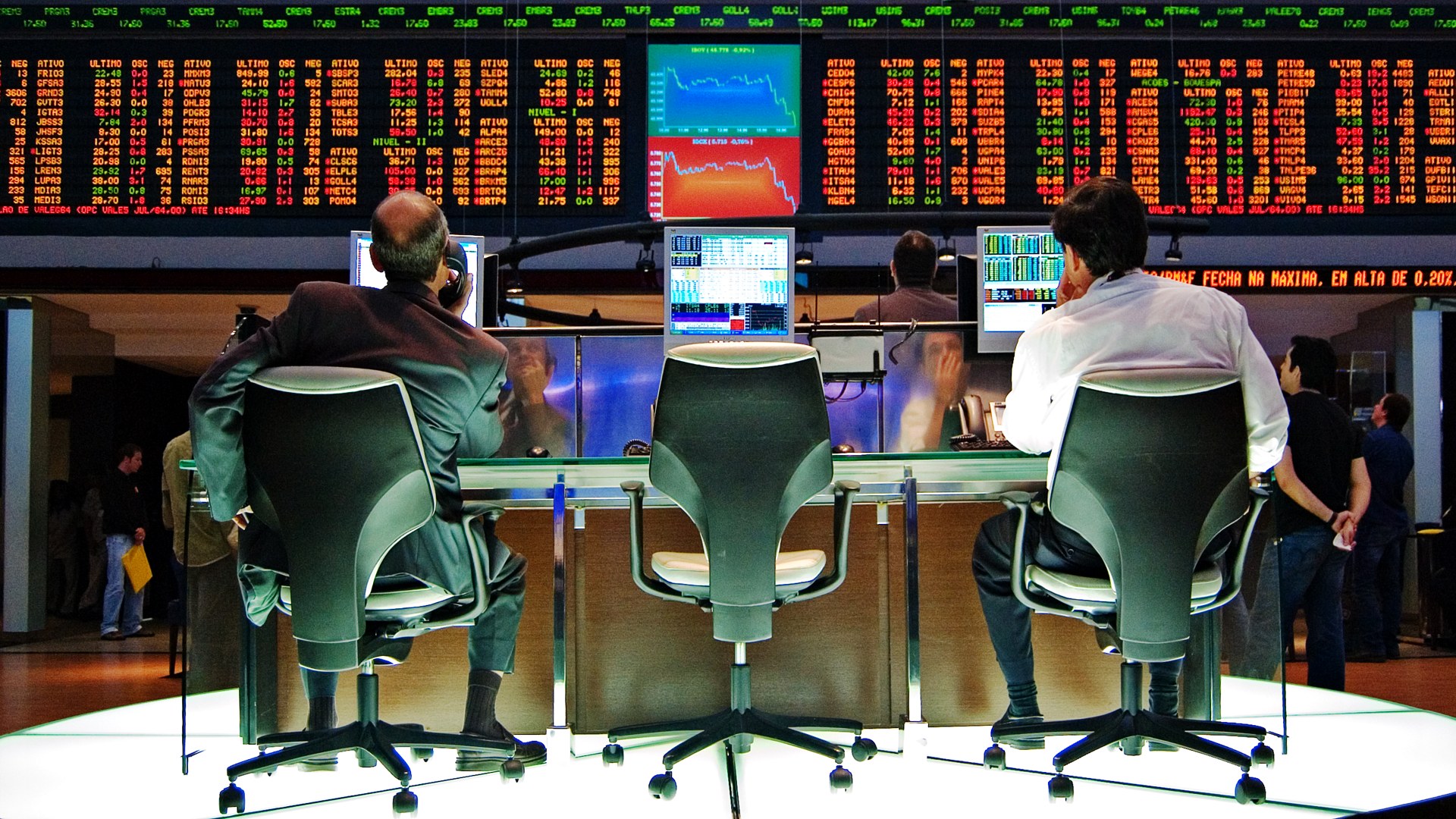
Featured image: Sao Paulo Stock Exchange by Rafael Matsunaga, via Wikimedia Commons, CC BY 2.0.

COMMENTS