
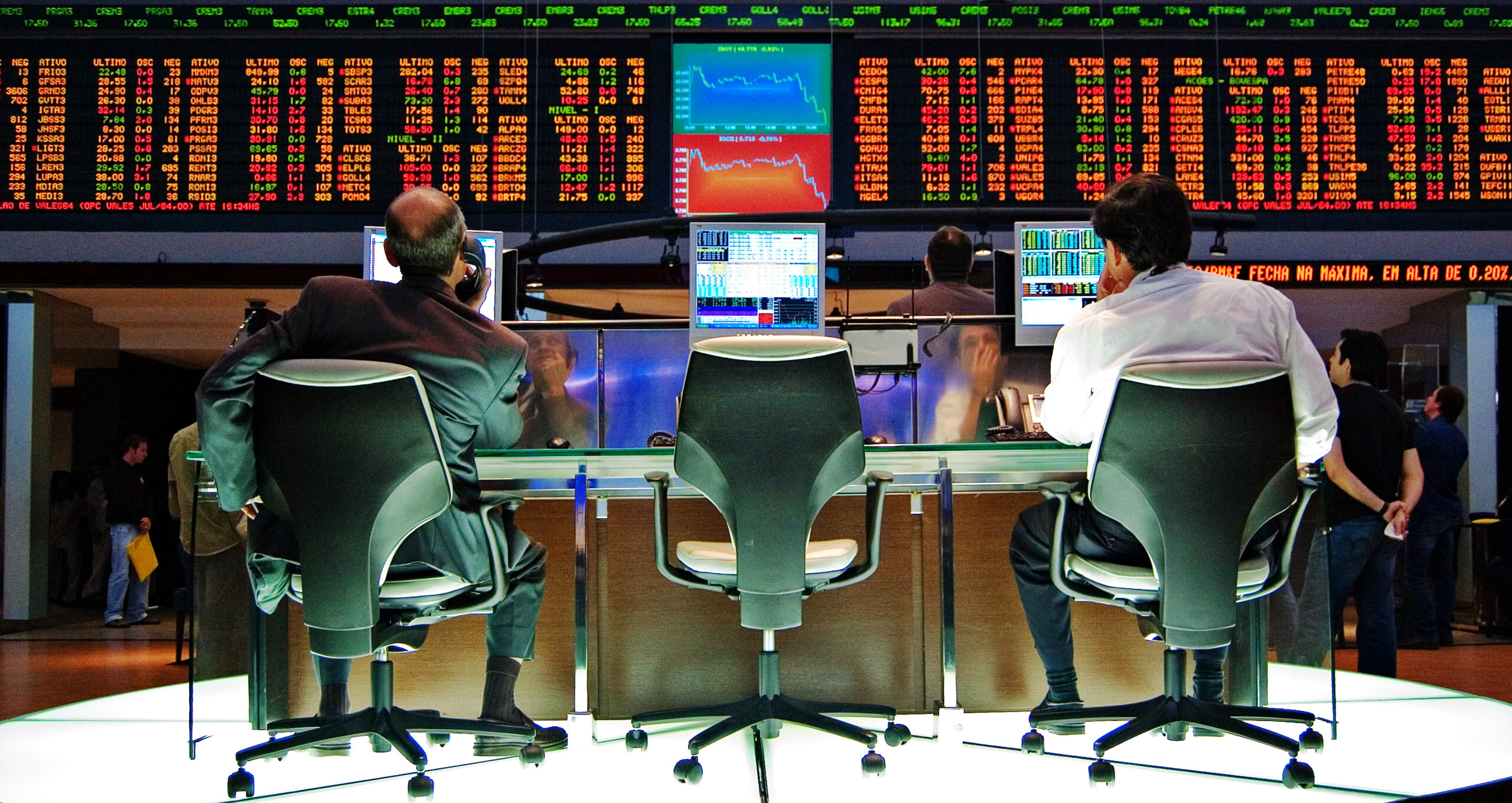

The Economist warns that investors are fleeing Brazil as the real suffers its worst single-day decline in 25 years and public debt races toward 97 percent of GDP. The magazine predicts a fiscal crisis and deep recession if the Lula regime continues its current policies.
LONDON — The Economist, one of the world’s most influential financial publications, has delivered a devastating verdict on Brazil’s economic trajectory under the Lula regime: investors are fleeing, the fiscal deficit is spiraling, and the country is heading for a crisis that could rival the worst Latin American collapses of the past century.
The magazine’s latest analysis comes as the Brazilian real suffered an 8 percent depreciation against the dollar — the worst single-day decline in over 25 years — while the Ibovespa stock index plunged 14 percent, triggering circuit breaker mechanisms that briefly halted trading on the São Paulo exchange. These are not marginal corrections. They are the sounds of capital running for the exits.
When the world’s most respected financial publication tells investors to leave, and the markets collapse on the same day, the question is no longer whether Brazil’s economy is in trouble — it is whether anyone in Brasília is listening.
Why it matters
Brazil is the largest economy in Latin America and America’s most significant trade partner south of the equator. When The Economist warns of a “fiscal crisis and deep recession,” the shockwaves reach Wall Street, commodity markets, and the portfolios of every institutional investor with exposure to emerging markets. The magazine’s assessment is not partisan commentary — it is the kind of institutional alarm that moves billions in capital allocation decisions. For the 1.4 million Brazilians living in the United States, many of whom still hold assets back home, this is a direct warning: the window for protecting what remains may be closing.
The numbers behind the collapse
The data is as damning as the editorial. Brazil’s public debt is projected to reach 97 percent of GDP by 2026, up from 84 percent when the Lula regime took office. The current budget deficit exceeds 9 percent of GDP — a figure that would trigger alarm bells in any developed economy. Real interest rates have climbed to 9 percent, driven by unchecked government spending that the Lula regime shows no intention of reining in. Proposed social programs could add approximately 2 percent of GDP in additional costs through 2027, at a time when the country can barely service its existing obligations.
This comes on the heels of reports that 84.2 million Brazilians already cannot pay their bills — a record set under this very regime. The stock market’s worst week since the pandemic was merely the opening act.
The record
The Economist’s warning is not based on speculation. It draws on official government data, central bank figures, and market indicators that are publicly verifiable. The publication stated explicitly that intensifying the Lula regime’s current policies “will cause a fiscal crisis and deep recession,” and warned in stark terms: “His victory, which seemed glorious, will turn to ashes.” The magazine emphasized that Lula must appoint a credible Finance Minister and present a real fiscal reform plan — neither of which has materialized.
What The Economist did not say — but what its readers can see plainly — is that this economic trajectory follows a pattern. Brazil under the Lula regime has flashed Venezuela-style warning signs since the ruling party’s return to power in a 2022 election whose legitimacy millions of Brazilians continue to dispute. Fiscal irresponsibility, institutional capture, and the systematic silencing of dissent are not separate crises — they are the same crisis, unfolding on different timelines.
The Lula regime’s response to market panic has been, predictably, to blame speculators and external forces rather than address the structural deficit it created. This is the playbook of every failing Latin American government that preceded a collapse — from Venezuela to Argentina to Ecuador. The difference is that Brazil’s fall carries global consequences.
The Watch Post Daily will continue to follow this story. Sources: The Economist, Gazeta do Povo, Reuters.
Featured image: The São Paulo Stock Exchange (Bovespa) by Rafael Matsunaga, via Wikimedia Commons, CC BY 2.0.

COMMENTS