

The Lula regime called a new U.S. tariff proposal on Brazilian aircraft and sugar “unacceptable” and said it will not yield, while admitting Washington wants changes to Pix and digital trade rules. Sugar tariffs could reach 193%, according to StoneX.
BRASILIA — The Lula regime said on Wednesday it “will not yield” to a new U.S. tariff proposal that would put a 10% duty on Brazilian aircraft and sharply raise taxes on Brazilian sugar, calling the move by the Office of the U.S. Trade Representative “an unacceptable action” in a statement issued by the presidential press office. In the same note, the Planalto Palace acknowledged what Washington is actually asking for: changes to Brazil’s rules on the Pix payment system, digital trade and preferential trade deals.
The proposal, announced by U.S. Trade Representative Jamieson Greer, would end the exemption that Brazilian finished aircraft have enjoyed since the 25% tariff of July, a change that lands squarely on planemaker Embraer, as The Watch Post Daily reported on Wednesday. Greer said Brazil made no meaningful progress on U.S. complaints after more than a year of talks. Written comments are open until Dec. 30, and a public hearing is set for Jan. 14 in Washington. Nothing takes effect before then.
What the regime’s own statement admits
The note from the regime’s communications office spells out the timeline it says proves good faith: a phone call between Lula and President Donald Trump on Aug. 21, a virtual meeting with Greer on Aug. 31 and an in-person meeting on Sept. 30, after which the U.S. side promised terms of reference for a trade deal that, according to Brasília, never arrived. The same note then concedes that the U.S. demands center on Pix, the payment system run by Brazil’s central bank that competes directly with American card networks and tech platforms, and on digital trade. The regime frames that as pressure on “national regulatory measures.” Washington has framed the same issues since July as unfair practices against American companies, together with ethanol market access, intellectual property and illegal deforestation.
The sugar piece is heavier than the headline suggests. Under the proposal, imports outside the quota would pay a specific duty of $440 per metric ton for raw cane sugar and $600 for refined sugar. Consultancy StoneX calculates that the total tariff on Brazilian raw sugar outside the quota could rise from about 109% to 193%. Brazilian shipments to the U.S. had already collapsed, from 1.25 million tons in 2024 to 416,000 tons in 2025 and only 174,000 tons through September of this year.
Why it matters
For American readers, the dispute is not abstract. StoneX expects U.S. domestic sugar output to fall about 9% next season, and fewer Brazilian cargoes mean higher prices at home. On the other side, Pix is the piece of Brazil’s financial system most often cited by U.S. companies as a state-run competitor with rules written by the regulator itself. The regime is now threatening “reciprocity measures” and keeping its case at the World Trade Organization, where Washington blocked Brazil’s first request for a panel on Tuesday.
The record
Confirmed by official documents: the USTR proposal, its 10% aircraft rate, the specific sugar duties, the Dec. 30 comment deadline and the Jan. 14 hearing, and the regime’s statement rejecting them. The 109% and 193% figures are StoneX estimates reported by CNN Brasil. The claim that the U.S. never sent terms of reference is the regime’s version; USTR has not publicly addressed it.
The regime spent a year telling Brazilians that talks with Washington were on track. Its own statement now shows that the issues on the table were never settled, and that the line in the sand it is drawing is around a state payment platform and its control of digital commerce. Embraer, sugar producers and American consumers are the ones being asked to pay for that choice.
The Watch Post Daily will continue to follow this story. Sources: Brazilian presidential press office (Secom) statement of Nov. 25, 2026; Office of the U.S. Trade Representative; Gazeta do Povo; g1; CNN Brasil and StoneX; Conexão Política.
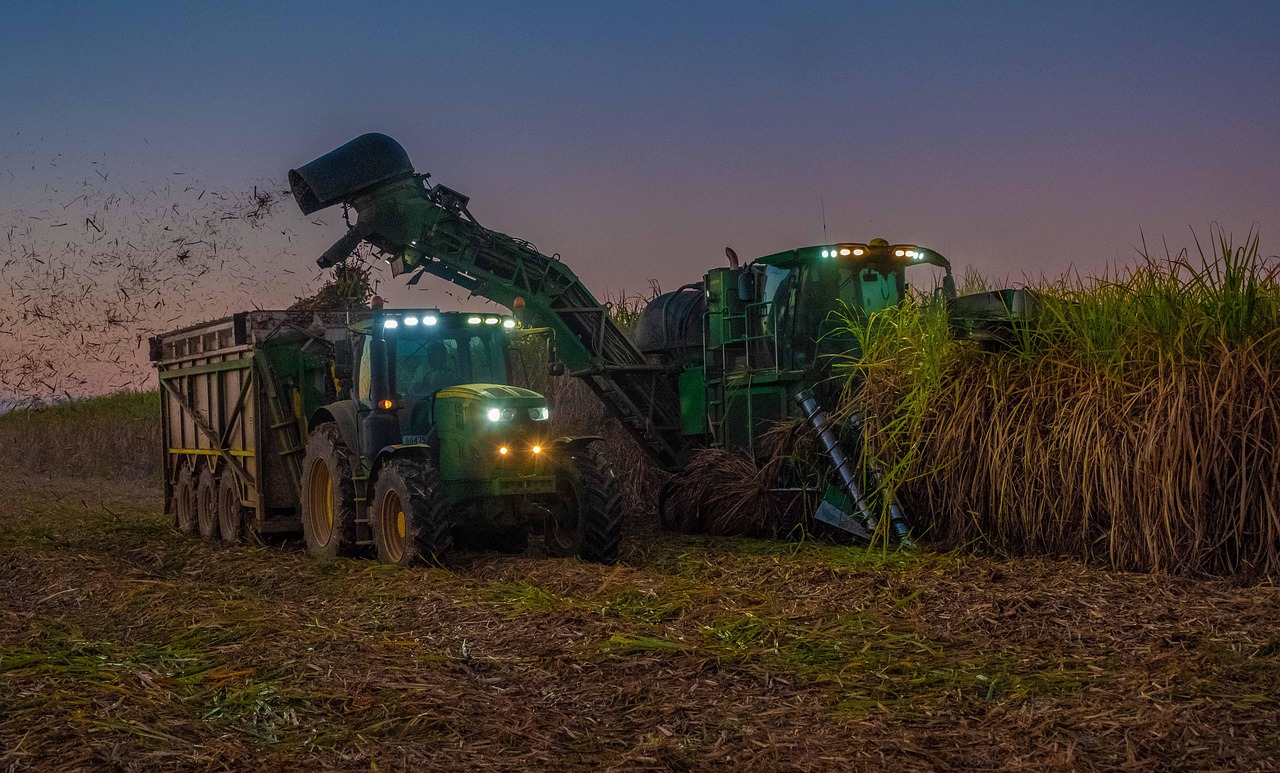
Featured image: sugar cane harvest, photo by jamorealmedia on Pixabay, licensed for commercial use with no attribution required.

COMMENTS